North Indian Food
Robust breads, fragrant gravies, and tandoor-fired delights
North Indian cuisine is hearty, celebratory, and deeply comforting, built around wheat, dairy, slow-cooked meats, and aromatic spices. From smoky tandoori dishes to silky Mughlai gravies, it offers a style of cooking that feels both regal and homely at the same table.
The Wheat Belt at the Heart of the Table
In much of North India, wheat is the everyday staple, so meals often revolve around rotis, chapatis, parathas, puris, and flaky naan rather than rice alone. The cooler climate and broad plains of Punjab, Haryana, Uttar Pradesh, and nearby regions have long supported wheat farming, shaping both home cooking and festive food. Each bread has its own role: a soft phulka for daily meals, a stuffed paratha for breakfast, or a butter-brushed naan for a restaurant feast. These breads are not just side dishes; they are tools for scooping dal, wrapping kebabs, and mopping up rich gravies. Their warm, toasty aroma is one of the defining comforts of a North Indian meal.
Dairy Brings Richness and Balance
Dairy plays a generous role in North Indian cooking, adding body, sweetness, and a soothing finish to boldly spiced food. Ghee enriches dals and breads with a nutty depth, while yogurt tenderizes meats and forms the base for marinades, raitas, and curries. Paneer, one of the region’s most loved ingredients, appears in dishes such as paneer tikka, matar paneer, and paneer butter masala, offering a soft bite that absorbs flavor beautifully. Cream, butter, and milk are used with care to mellow tomatoes, onions, and warming spices into smooth gravies. This dairy richness is not merely indulgent; it creates the rounded, luxurious character many people instantly associate with North Indian food.
Tandoor Cooking and the Love of Fire
The tandoor, a cylindrical clay oven heated with intense fire, is central to the drama and flavor of North Indian cuisine. It gives breads like naan, kulcha, and tandoori roti their blistered edges, smoky scent, and irresistible chew. Meats and paneer marinated with yogurt, ginger, garlic, chili, and garam masala develop a charred exterior while staying juicy within, as seen in dishes like tandoori chicken and seekh kebabs. The high heat cooks quickly, seals in moisture, and leaves behind that unmistakable roasted flavor that cannot be copied easily on a flat pan. Even a simple meal becomes festive when touched by the smoke and warmth of the tandoor.
Mughlai Influence in Gravies and Kebabs
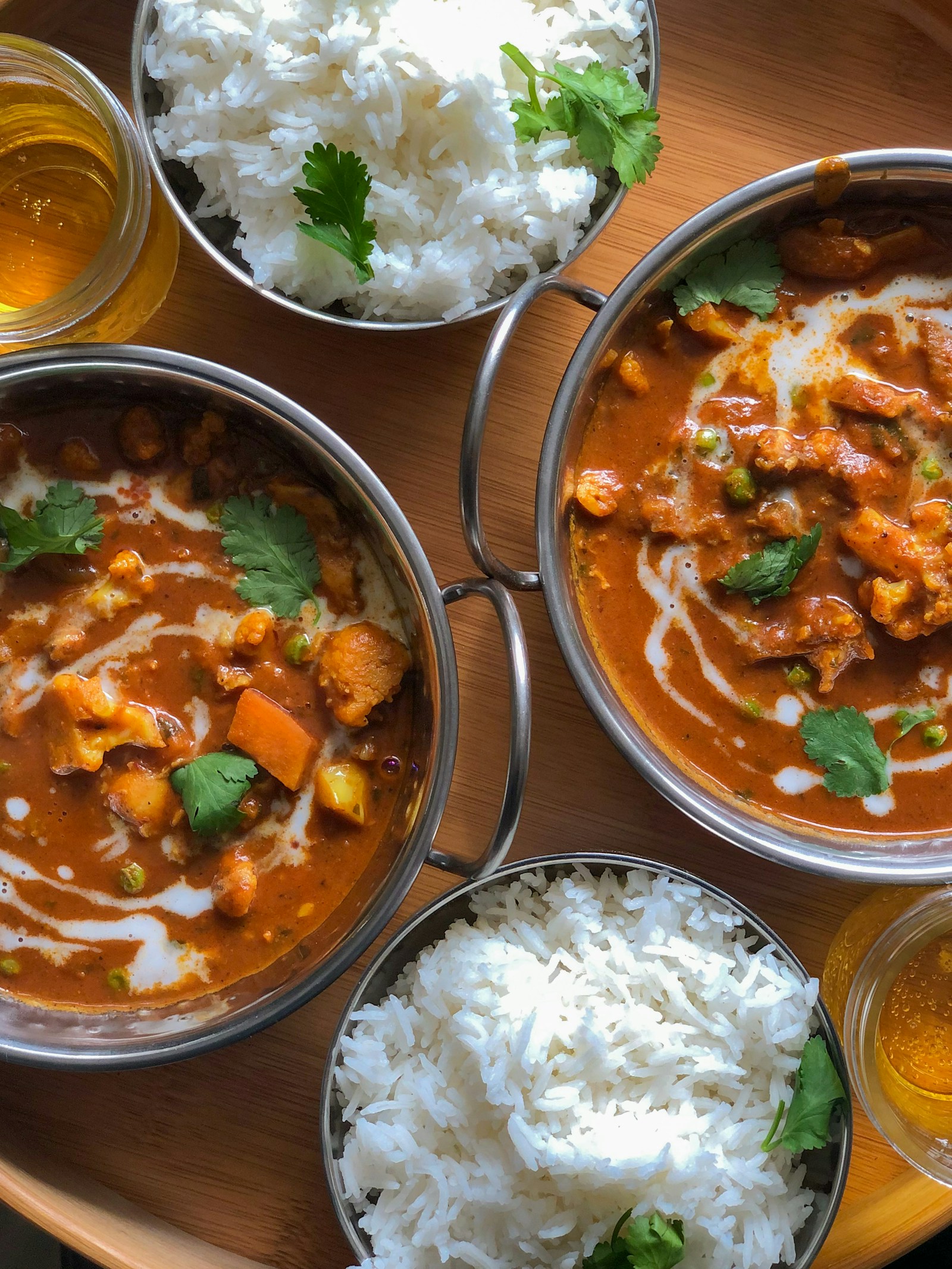
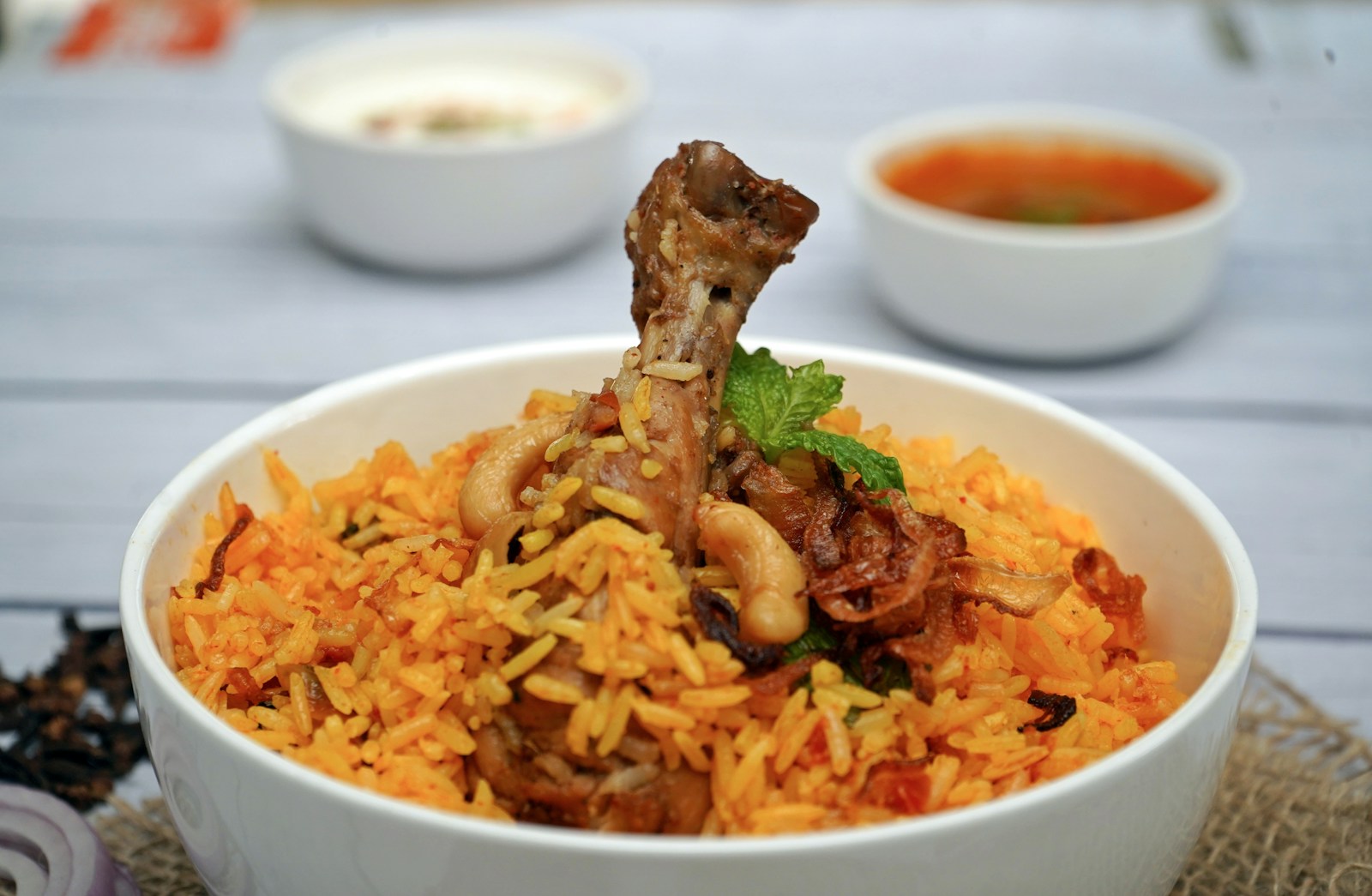
The Mughal courts left a lasting mark on North Indian food, especially in the refined gravies, layered rice dishes, and elegant kebabs that remain beloved today. Mughlai cooking introduced a taste for slow simmering, careful spice blending, and luxurious ingredients such as nuts, saffron, dried fruits, and fragrant kewra or rose water. Dishes like korma, butter chicken, nihari, biryani, and shahi paneer show how onions, tomatoes, cashews, cream, and whole spices can be transformed into velvety, deeply aromatic sauces. Kebabs, whether minced, skewered, or cooked from whole cuts, reflect the same attention to tenderness and perfume. This royal influence sits comfortably beside rustic breads and home-style dals, giving North Indian cuisine its wonderful mix of grandeur and everyday warmth.
Keep Reading
ArticleSouth Indian Food
Rice, spice, coconut and timeless regional comfort
ArticleRegional Indian Food
A flavorful journey across India’s many kitchens
ArticleBiryani: Varieties Across India
A fragrant journey through India’s iconic regional biryanis