
Food Pulse • Jun 2025
The Return of the Clay Pot: Chefs Embrace Slow Cooking
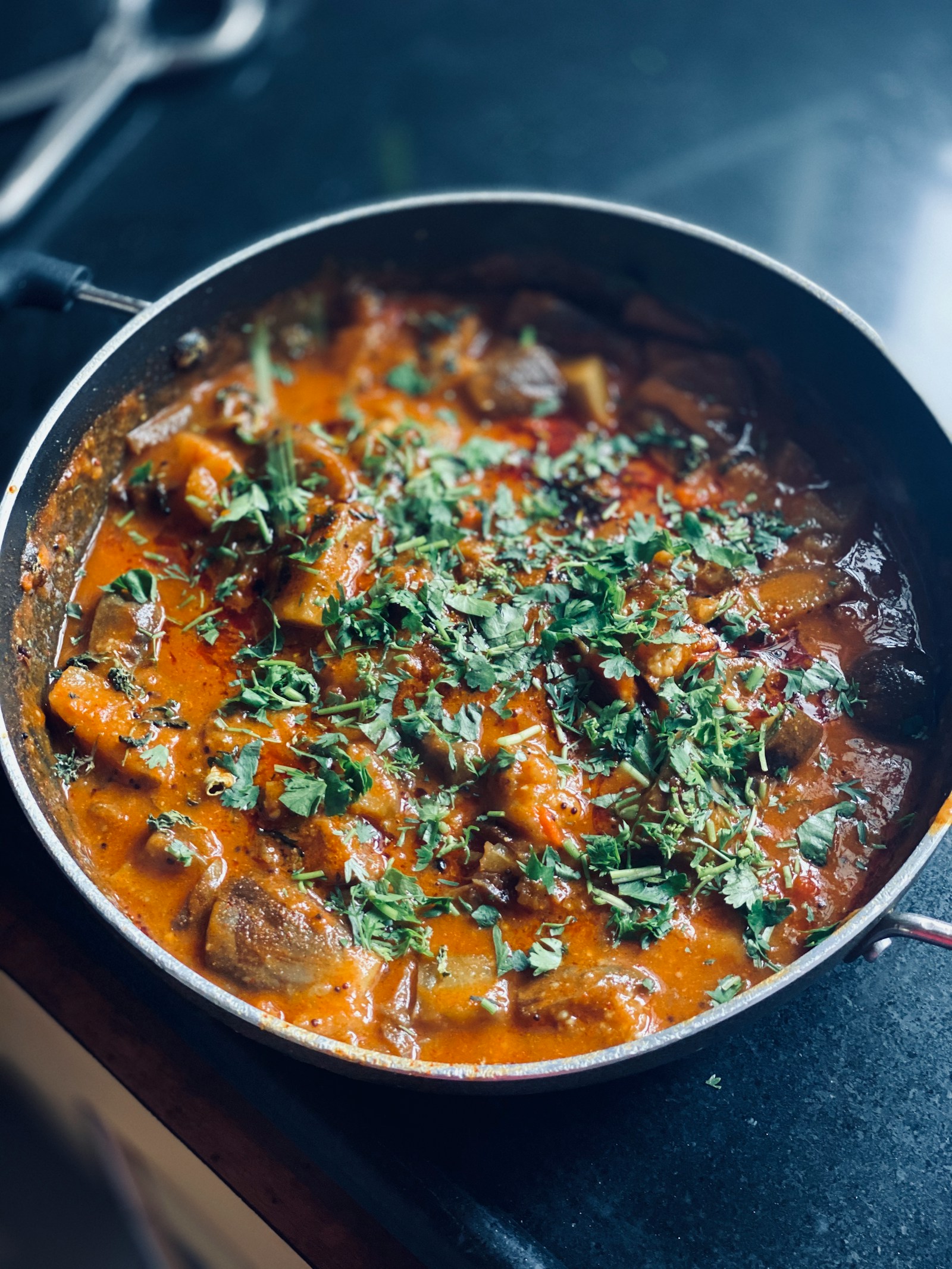
Clay pots are finding their way back into busy kitchens as chefs and home cooks rediscover the patient art of slow cooking. From Kerala-style fish curries to hearty vegetable stews, the traditional manchatti is being praised for bringing deeper flavor, gentle heat and a distinctly earthy character to everyday meals.
Why the Manchatti Is Back
Many cooks say clay pots offer something modern metal cookware cannot easily match: slow, even heat that helps spices, tamarind, coconut and aromatics meld gradually. In a manchatti, curries simmer at a steady pace, allowing ingredients to soften without harsh boiling. This style of cooking can improve texture as well, especially in lentils, fish and root vegetables. The result is often a rounder, more settled flavor that feels both rustic and refined.
Chefs Turn to Tradition for Better Flavor
Across restaurants, chefs are using clay cookware to reconnect diners with regional methods that once shaped everyday Indian food. Kerala kitchens in particular have long valued the manchatti for seafood curries, where the pot’s retained warmth keeps the dish gently cooking even after the flame is lowered. Some chefs also note that serving in clay helps hold heat at the table, adding to the dining experience. For many professionals, the return of the clay pot is not nostalgia alone, but a practical choice for depth and consistency.
Home Cooks Join the Slow-Cooking Revival
The revival is not limited to restaurants, as more families are bringing seasoned clay pots back into weekly cooking. With proper soaking, curing and low-to-medium heat, a manchatti can become a dependable vessel for curries, dals and gravies. Cooks appreciate that slow cooking encourages less stirring and gives masalas time to mature naturally. As interest grows in traditional techniques and mindful cooking, the humble clay pot is once again earning a place near the stove.