
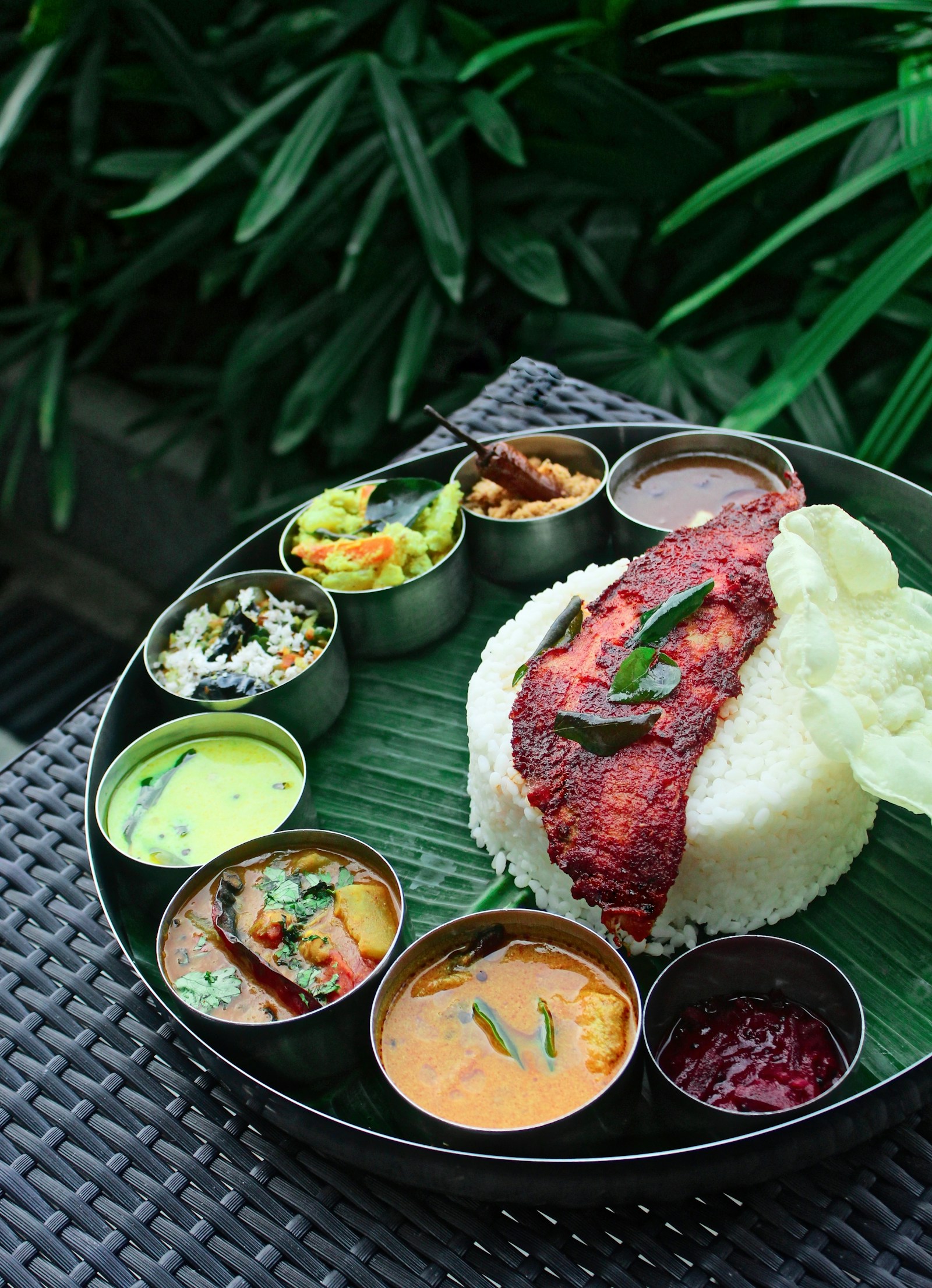
Kerala Culinary Heritage
Coast, spice, coconut, and centuries of shared flavors
Kerala’s food story is written by rain-fed fields, a generous coastline, and the perfume of spices drying in the sun. In every meal, you can taste how geography, trade, and community have shaped a cuisine that feels both deeply rooted and wonderfully open-hearted.
A Land Shaped by Water and Green Abundance
Kerala’s culinary character begins with its landscape: the Arabian Sea on one side, the Western Ghats on the other, and a network of rivers, backwaters, and paddy fields in between. This rich terrain gives cooks an extraordinary pantry of rice, fish, banana, tubers, jackfruit, mango, and leafy greens. In many homes, meals are still imagined around the rhythm of monsoon, harvest, and the day’s catch from the coast or inland waters. Rice became the steady heart of the table, appearing as boiled rice, puttu, appam, idiyappam, and countless festive preparations. The result is a cuisine that feels fresh, practical, and closely tied to the soil and water that sustain it.
The Soul of the Kitchen: Coconut in Every Form
Few ingredients define Kerala as completely as coconut, used with remarkable intelligence and variety. Fresh grated coconut adds body and sweetness to thoran and avial, while coconut milk brings softness and depth to stews, fish curries, and festive gravies. Coconut oil lends a distinctive aroma that many Malayali kitchens consider essential, especially when mustard seeds, curry leaves, and shallots are tempered in it. Even roasted coconut has its place, creating dark, nutty notes in dishes such as theeyal and certain meat curries. More than an ingredient, coconut is part of Kerala’s cooking logic, balancing heat, spice, and sourness with richness and gentle fragrance.
Spice Gardens and the Legacy of Trade
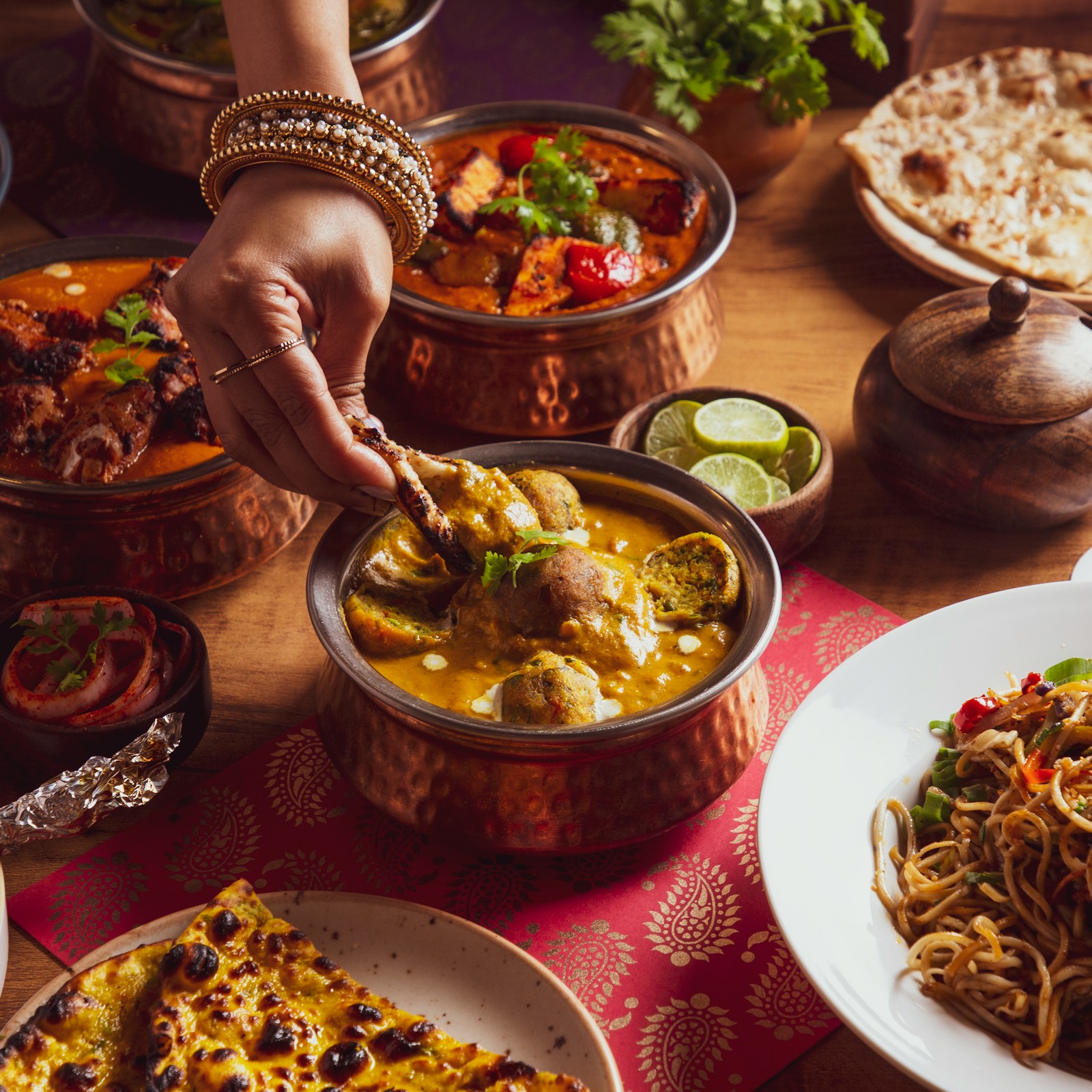
Kerala’s hills and ports helped make it one of the world’s great spice regions, known for black pepper, cardamom, cinnamon, clove, ginger, and turmeric. These spices did more than season food; they linked the region to Arab, Jewish, Chinese, Portuguese, Dutch, and later British traders who arrived on its shores over many centuries. From this long contact came layered food traditions, including the use of dried fruits in some festive dishes, new baking habits, and subtle changes in meat and seafood cookery. Yet Kerala cooks never lost their own voice, folding outside influences into local techniques, ingredients, and tastes. That is why a Kerala curry can feel both globally connected and unmistakably regional in its aroma, texture, and finish.
Many Communities, One Generous Table
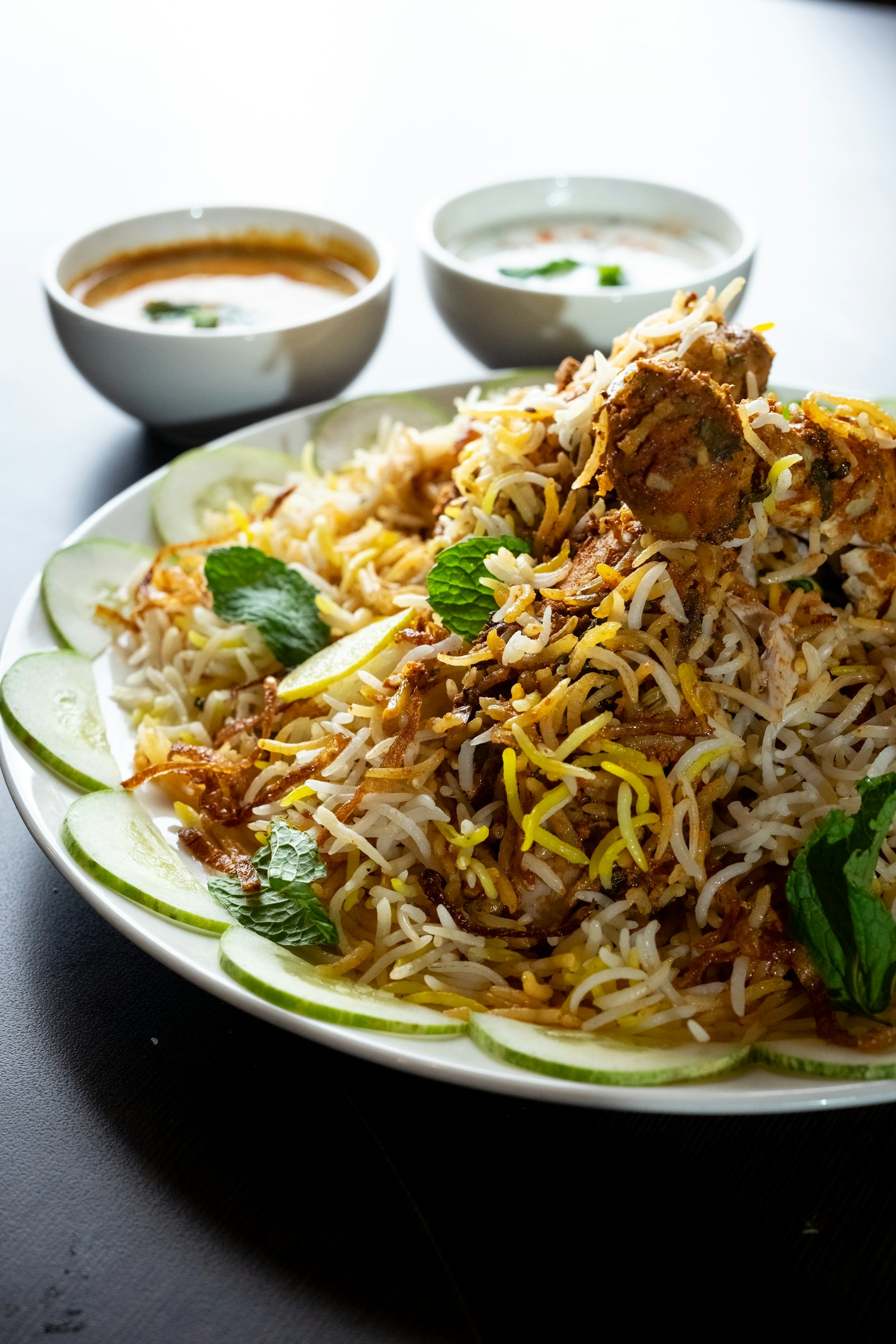
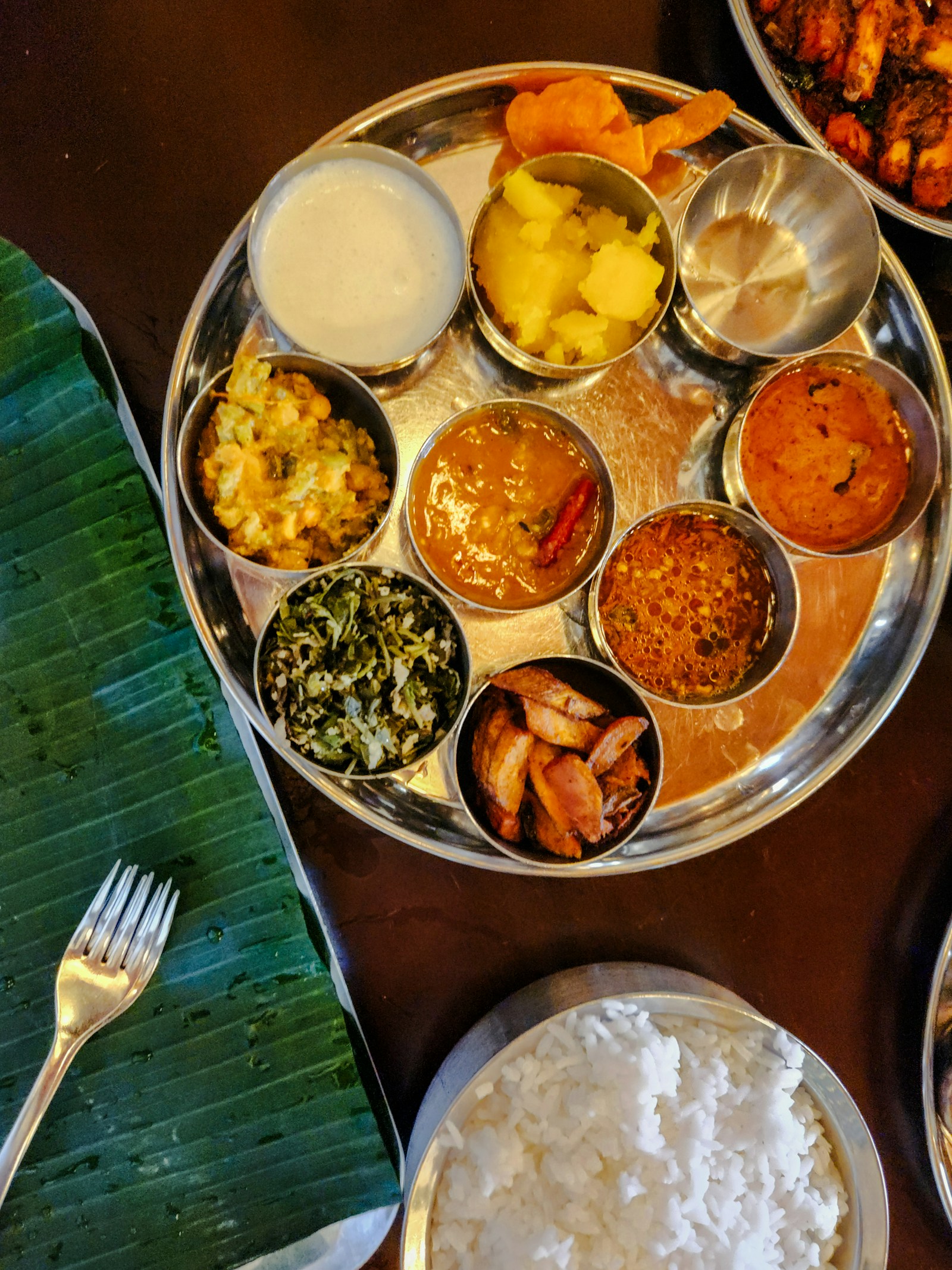
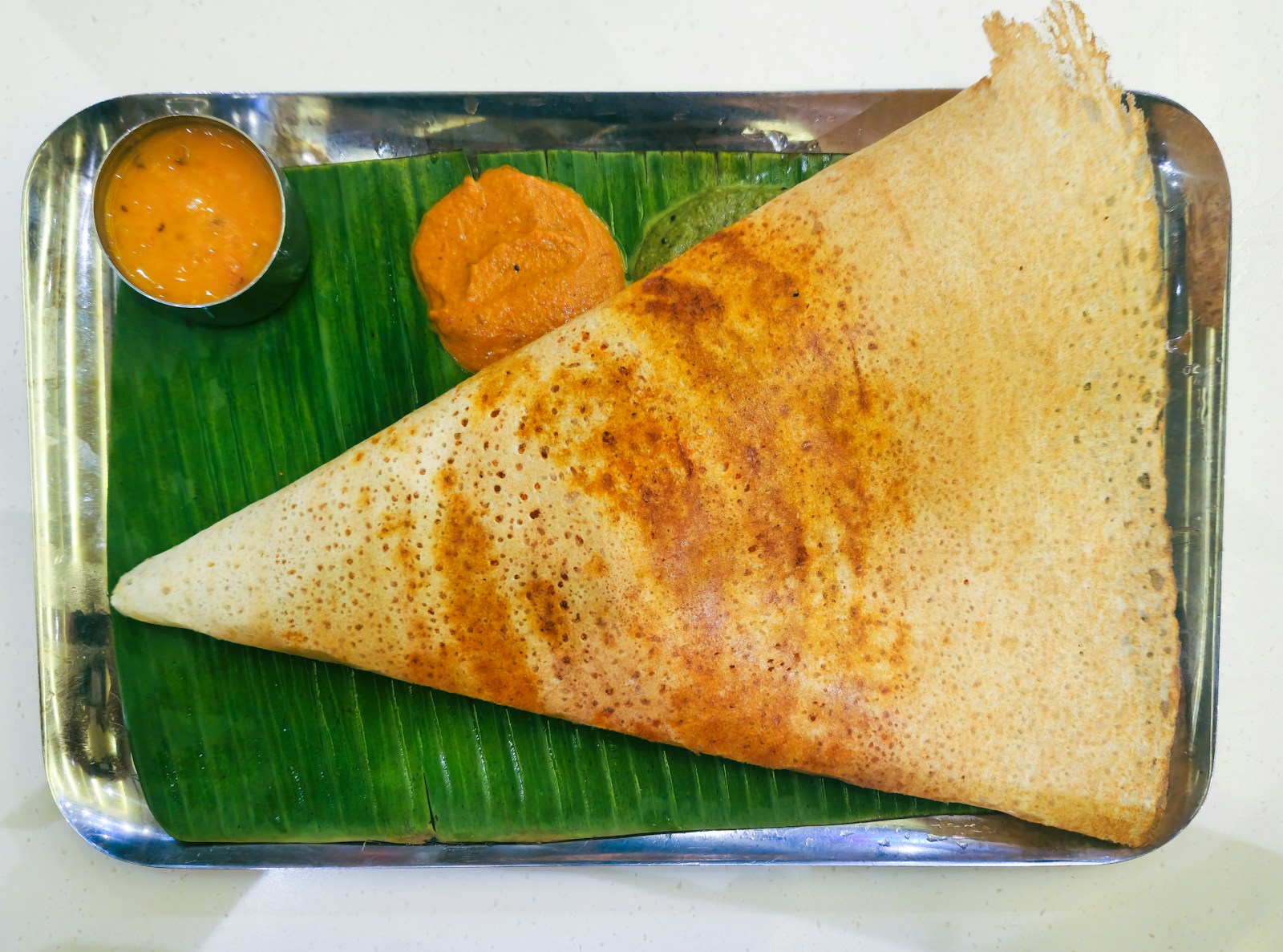
Kerala’s culinary heritage is also the story of its communities, each contributing treasured dishes and styles to the wider table. Hindu temple cuisine celebrates balance and seasonality, with preparations like olan, kalan, erissery, and sambar served during the grand sadya on a banana leaf. Syrian Christian kitchens are known for beautifully spiced duck, beef, stew, appam, and festive breads, while Mappila Muslim food from Malabar brings rich biryanis, pathiri, seafood specialties, and beloved snacks with Arab-influenced touches. Jewish and Latin Catholic food traditions have also left their imprint in coastal towns through preserved recipes, fish dishes, and celebratory sweets. Together these streams create a cuisine that is not one single note, but a harmonious feast of memory, faith, hospitality, and place.
Keep Reading
 Article
North Indian Food
Robust breads, fragrant gravies, and tandoor-fired delights
 Article
South Indian Food
Rice, spice, coconut and timeless regional comfort
 Article
Regional Indian Food
A flavorful journey across India’s many kitchens