
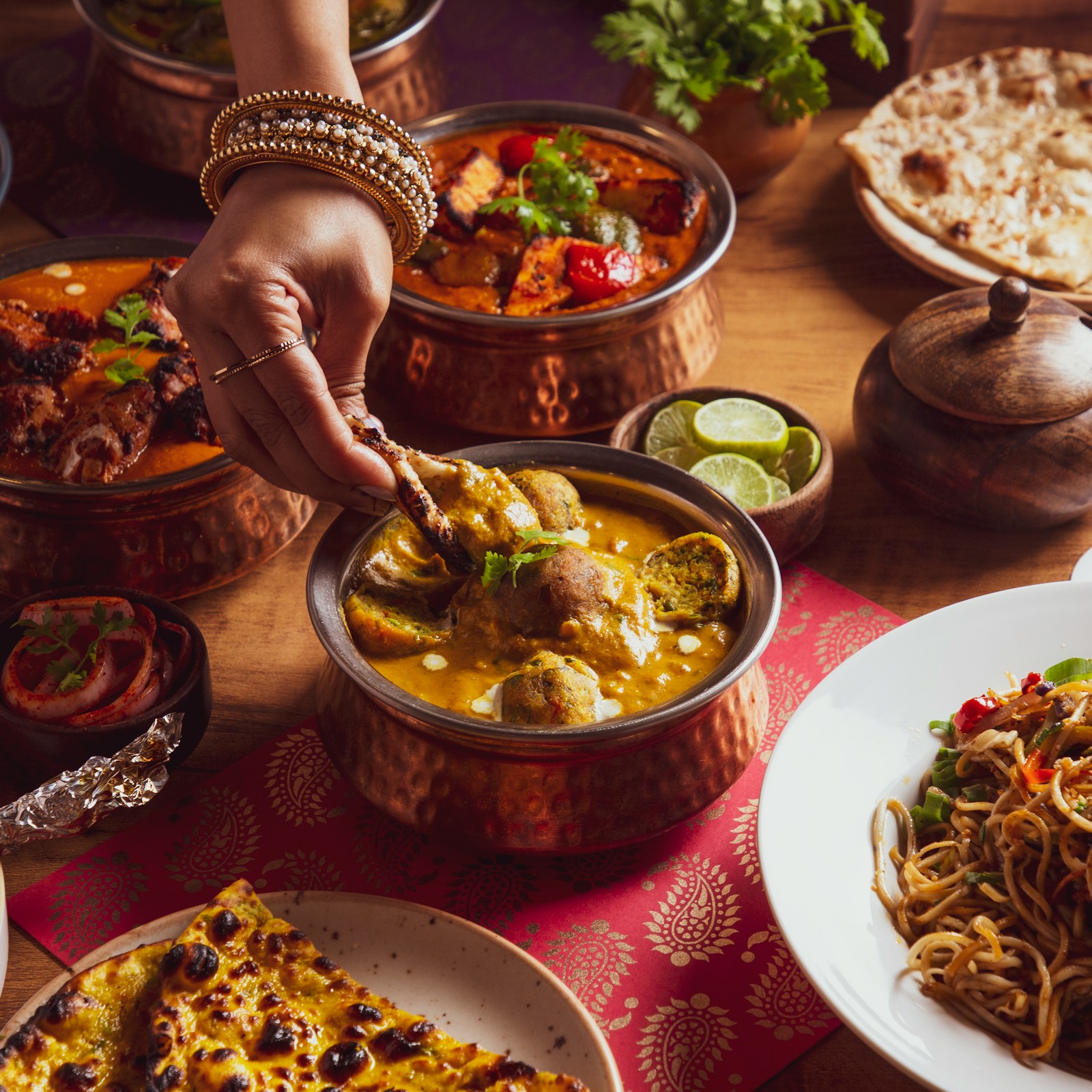
Kerala Onam Sadya
Kerala’s festive banana-leaf meal of abundance
Onam Sadya is Kerala hospitality at its most generous: a grand vegetarian feast served on a fresh banana leaf and shared with joy. More than a festive meal, it is a ritual of season, community and memory, where every dish has a place and every bite balances taste, texture and tradition.
A feast that defines Onam
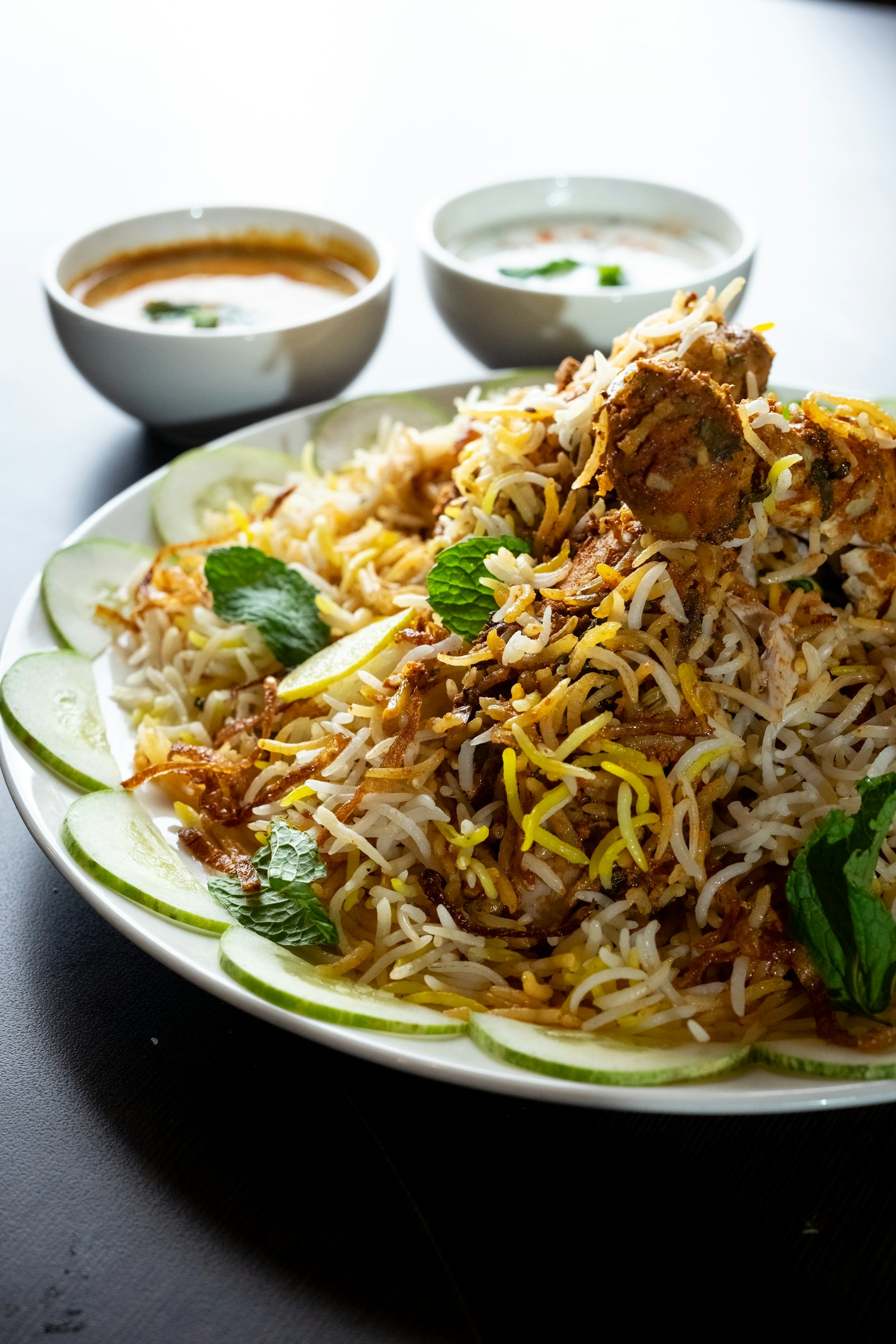
Sadya means banquet, and during Onam it becomes the most beloved meal in Kerala homes, temples and community halls. Prepared to welcome the harvest season and honor the legendary King Mahabali, the feast expresses prosperity, equality and gratitude. Everyone is served the same meal on a banana leaf, whether at a family table or a large gathering, which gives the occasion a beautiful sense of togetherness. The meal is entirely vegetarian, yet it feels lavish because of the sheer variety of flavors, colors and textures. A proper Onam Sadya is not just about eating well; it is about celebrating abundance with humility and joy.
What arrives on the banana leaf
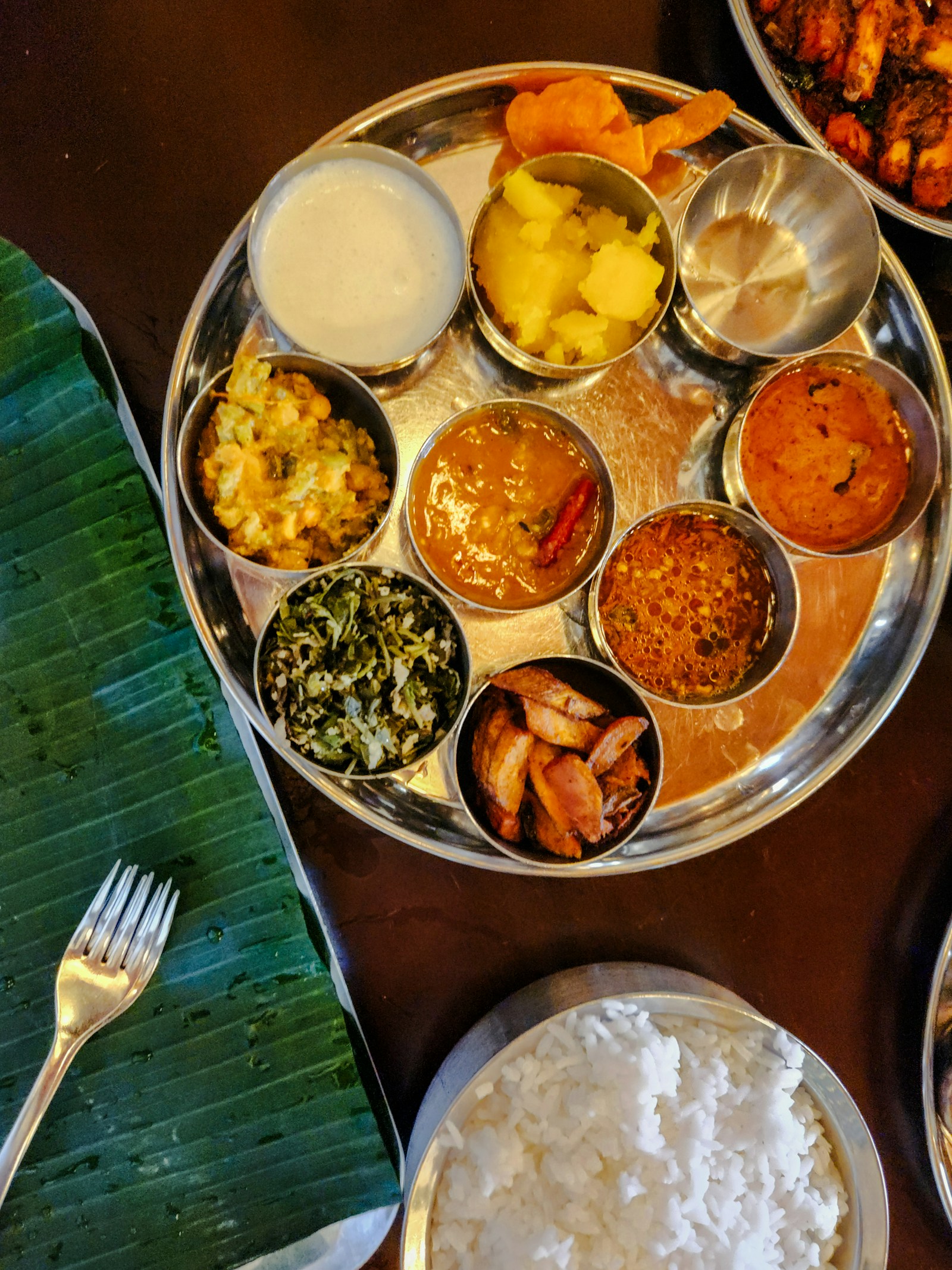
A classic Sadya can include two dozen dishes or more, though the exact menu varies by region and household. The upper part of the leaf is lined first with small portions of accompaniments such as banana chips, jaggery-coated sharkara varatti, pappadam, mango pickle, lime pickle and injipuli, the sweet-sour ginger-tamarind relish that sharpens the appetite. Then come vegetable preparations like thoran, avial, olan, erissery, kalan, pachadi and kichadi, each cooked with distinct combinations of coconut, yogurt, ash gourd, pumpkin, yam, raw banana or beans. Rice is the heart of the meal, usually Kerala red rice, served generously and accompanied in stages by parippu with ghee, sambar, rasam and finally cooling moru or pulissery. The sweet finish often includes one or more payasams such as ada pradhaman, palada payasam or parippu payasam, turning the end of the meal into a celebration of its own.
The order of eating matters
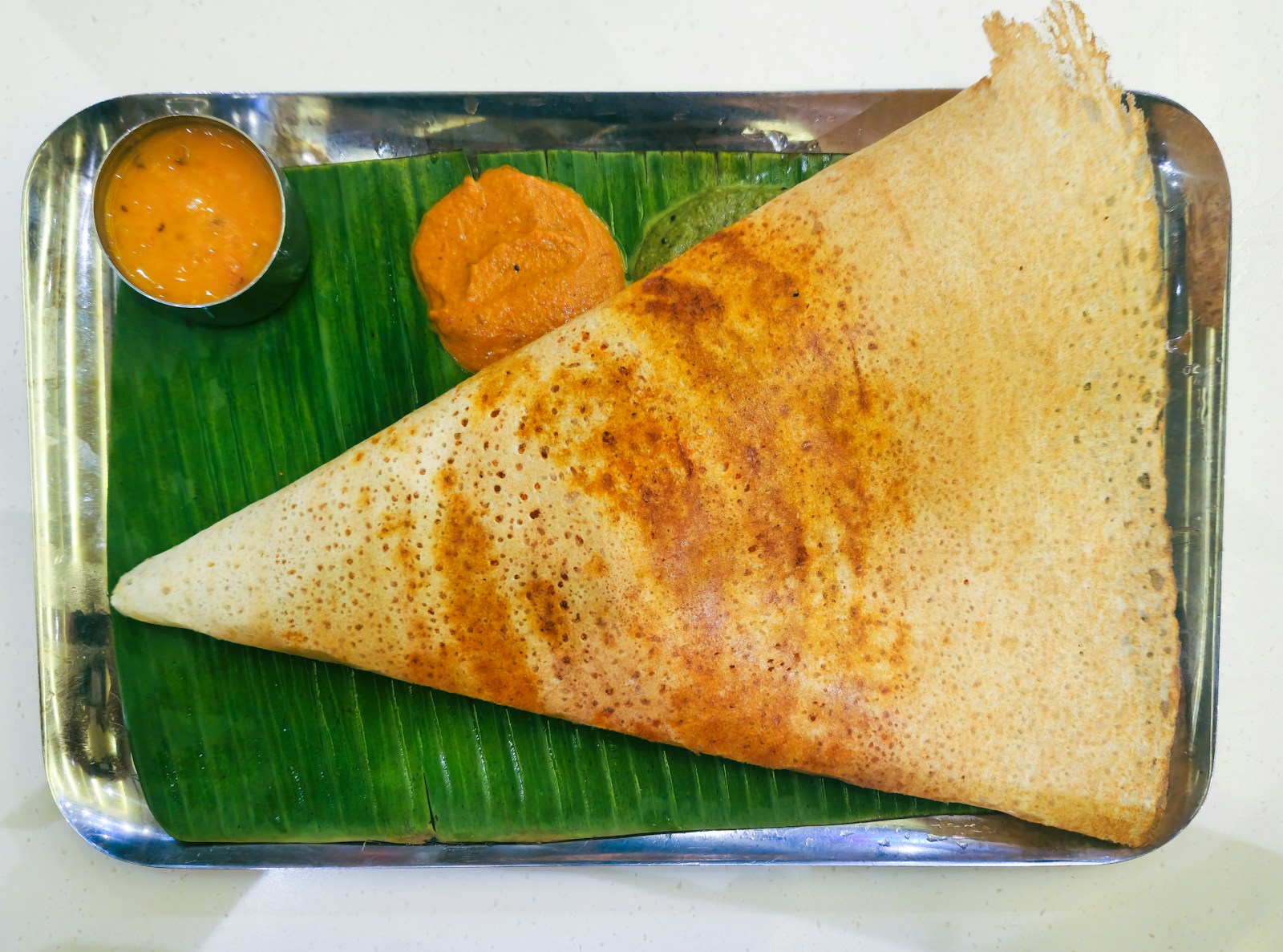
Sadya has a graceful sequence that helps the meal unfold in harmony rather than all at once. After the leaf is placed with the narrow end to the left, the side dishes are arranged in a customary order, and hot rice is served in the center when everyone is ready. The first course is usually parippu, a mild lentil preparation, mixed with rice and a little ghee; after that come sambar and the vegetable dishes, then rasam for a lighter, peppery note. Near the end, buttermilk-based moru or pulissery soothes the palate, and payasam may be enjoyed in a cup or even poured over the leaf in traditional settings. Eating with the right hand, mixing each mouthful freshly, and tasting the contrasts between crisp, creamy, tart and sweet are all part of the experience.
Why Sadya means more than food
The emotional power of Onam Sadya lies in the way it gathers people across generations, faiths and social backgrounds. In many homes, shopping, chopping, grating coconut and cooking begin early, with family members taking pride in preparing each item correctly and serving guests generously. The banana leaf itself reflects Kerala’s practical elegance: it is natural, fragrant and festive, and it frames the meal as something both sacred and welcoming. Every dish contributes to the larger ideal of balance, from fiery pickles to mellow olan, reminding us that a feast is richest when many tastes live together. That is why Onam Sadya remains one of India’s great culinary traditions—not simply for the number of dishes, but for the spirit of sharing they represent.
Keep Reading
 Article
North Indian Food
Robust breads, fragrant gravies, and tandoor-fired delights
 Article
South Indian Food
Rice, spice, coconut and timeless regional comfort
 Article
Regional Indian Food
A flavorful journey across India’s many kitchens