
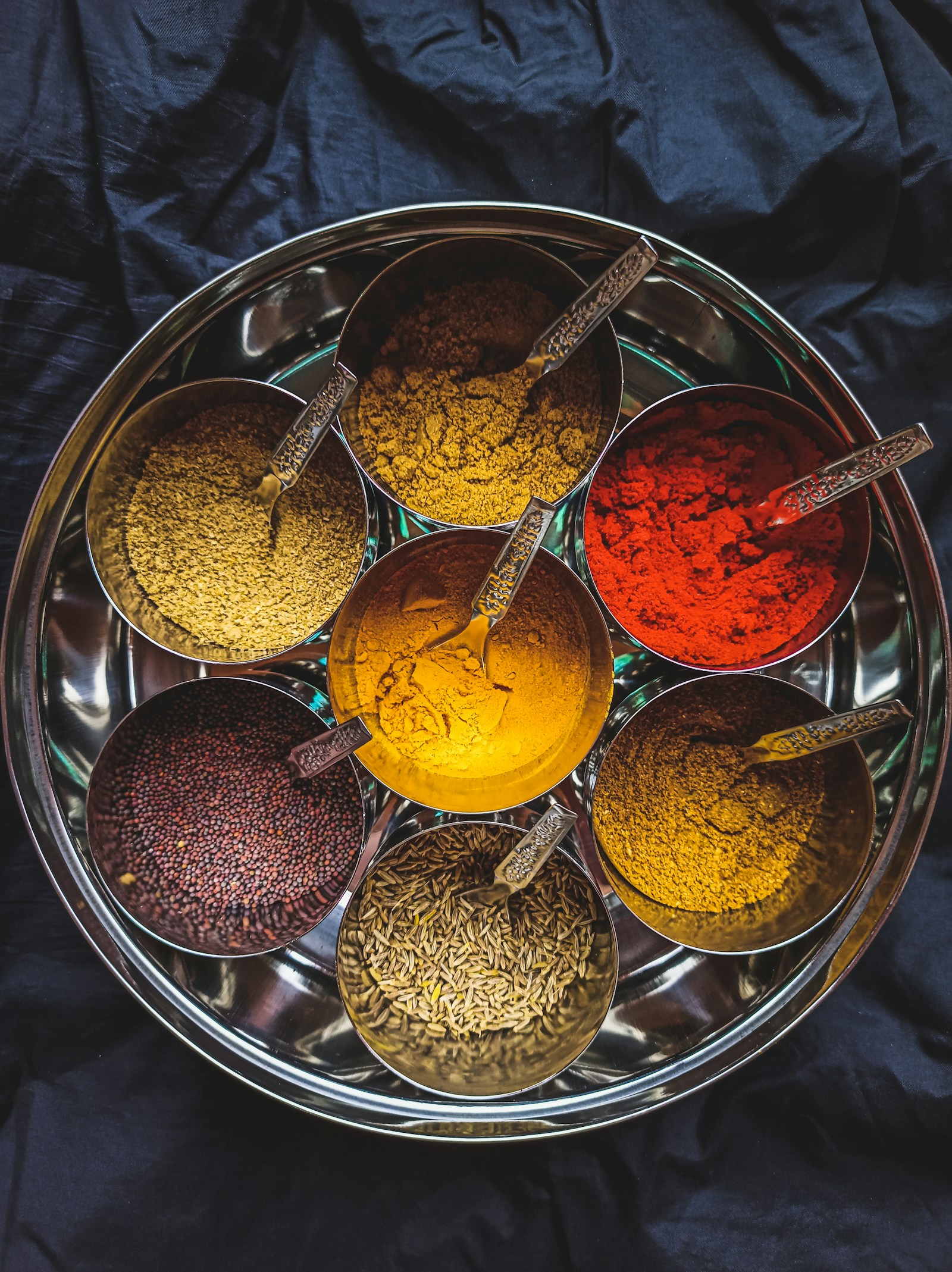
Techniques of Indian Cooking
Traditional methods that build aroma, depth and balance
Indian cooking is as much about technique as it is about spices. From the crackle of tadka to the gentle finish of dum, these methods shape flavor, texture, and aroma in ways that make each dish memorable.
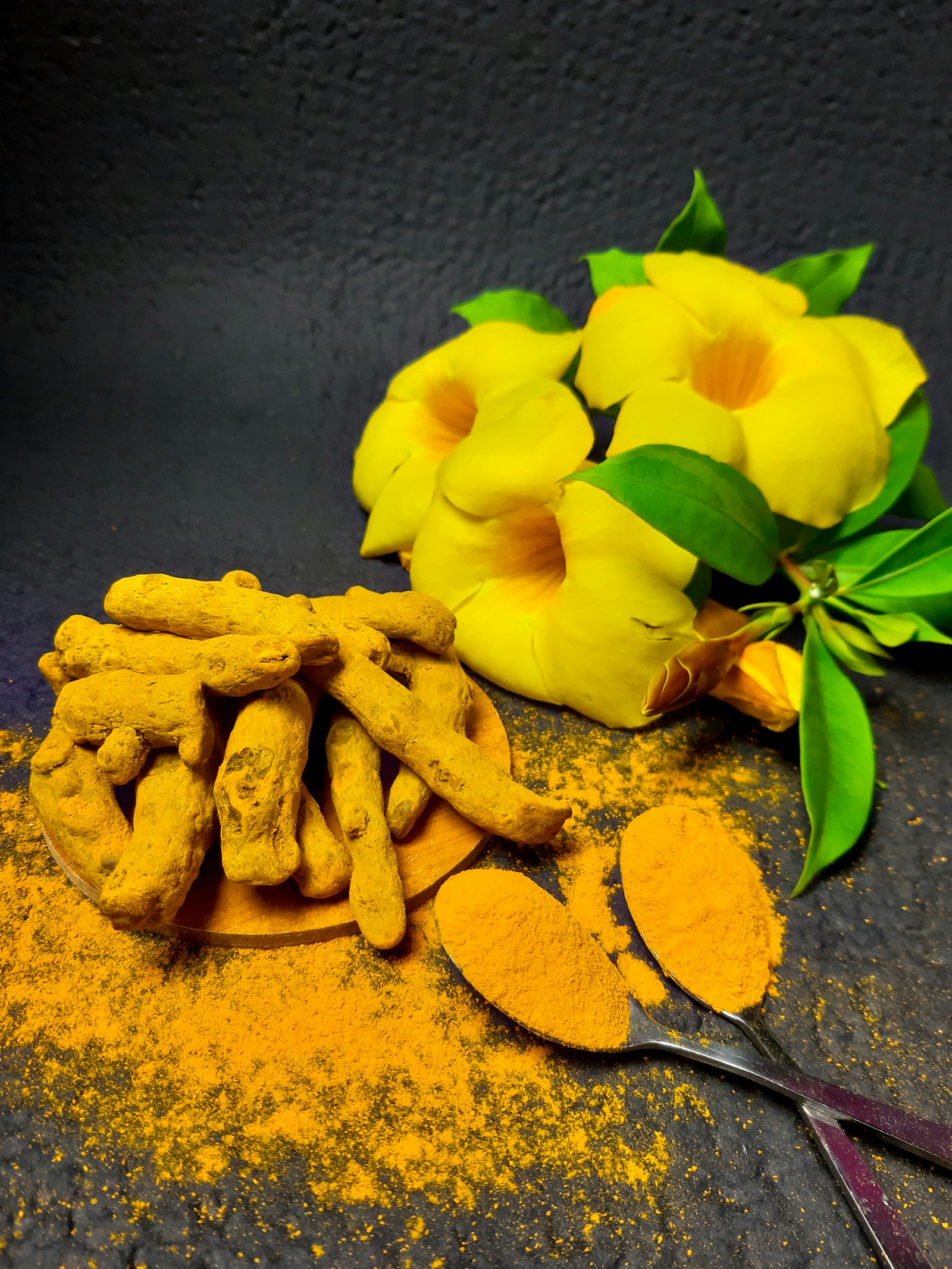
Tempering: The First Burst of Flavor
Tempering, or tadka, is one of the quickest yet most powerful techniques in an Indian kitchen. Whole spices such as mustard seeds, cumin, dried red chilies, curry leaves, and hing are briefly sizzled in hot ghee or oil until they release their essential oils and deep fragrance. This seasoned fat is then poured over dal, vegetables, chutneys, or yogurt dishes, instantly waking up the entire pot. The timing matters greatly: spices must bloom, not burn, and each ingredient enters the pan according to how fast it cooks. A well-made tadka brings sparkle, warmth, and a layered finish that cannot be achieved by simply mixing spices into a dish.
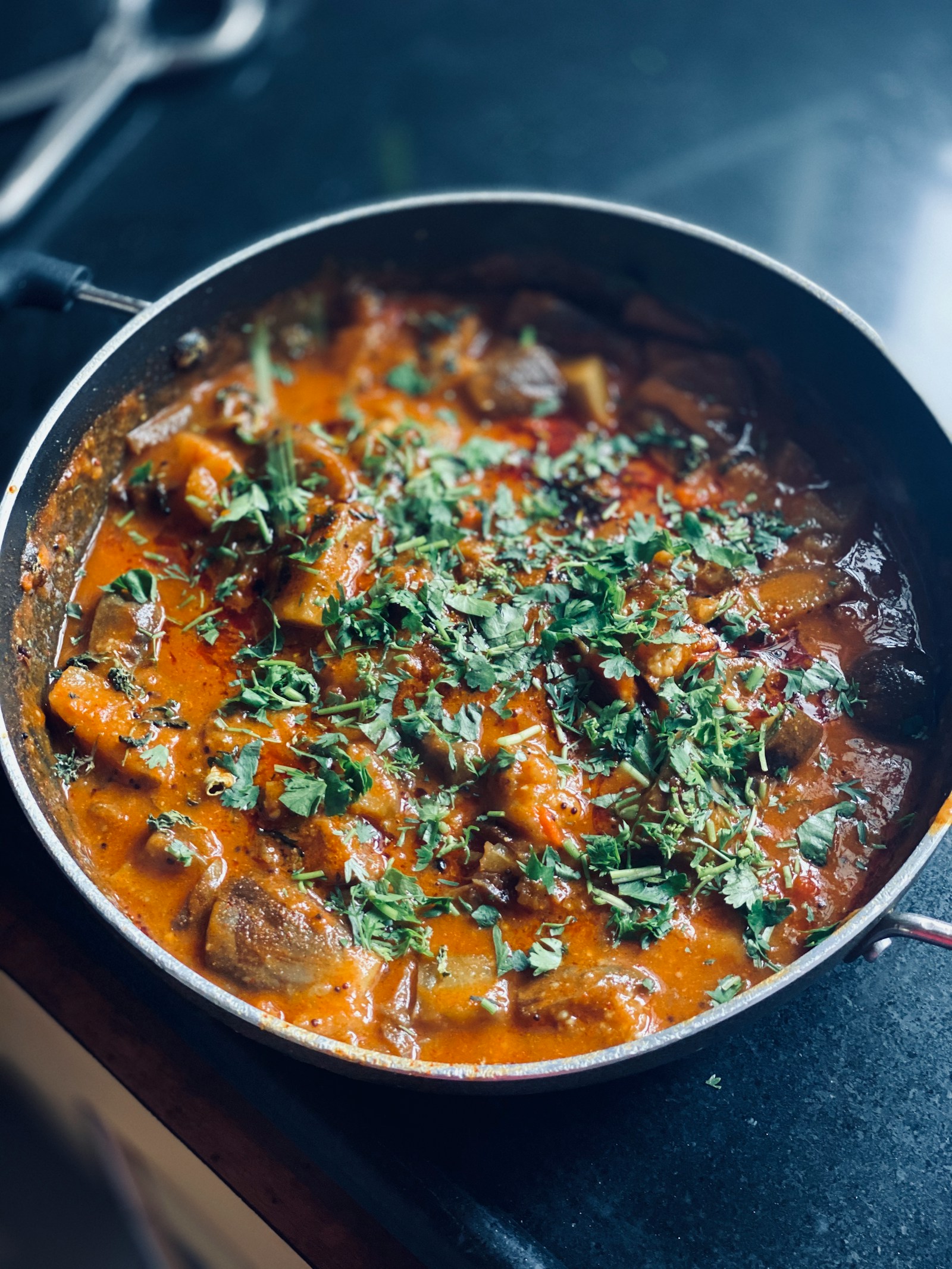
Bhuna and the Art of Building a Masala
Bhuna is the slow roasting and frying of onions, ginger, garlic, tomatoes, and ground spices until they turn into a concentrated masala base. This technique is common in curries across India, where patience helps moisture evaporate and flavors become rounder, sweeter, and deeper. As the mixture cooks, the oil begins to separate at the edges, a classic sign that the rawness has gone and the masala is properly developed. Freshly ground coriander, cumin, black pepper, or chili powders behave differently from packaged powders, giving a more vivid and complex result. Bhuna is not about high heat alone; it is about stirring, controlling moisture, and coaxing every ingredient to contribute its best character.
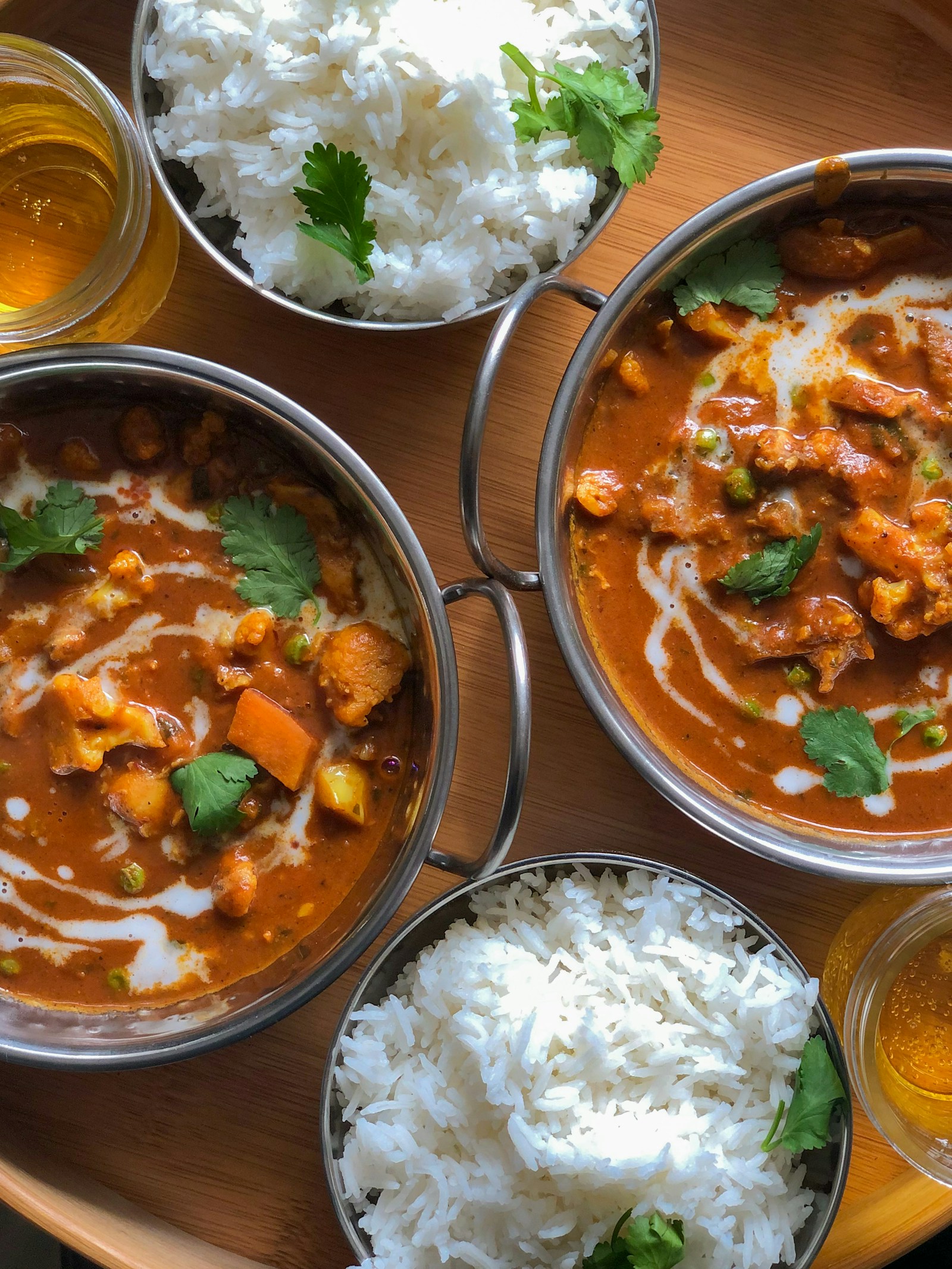
Dum, Slow-Cooking, and Sealed Heat
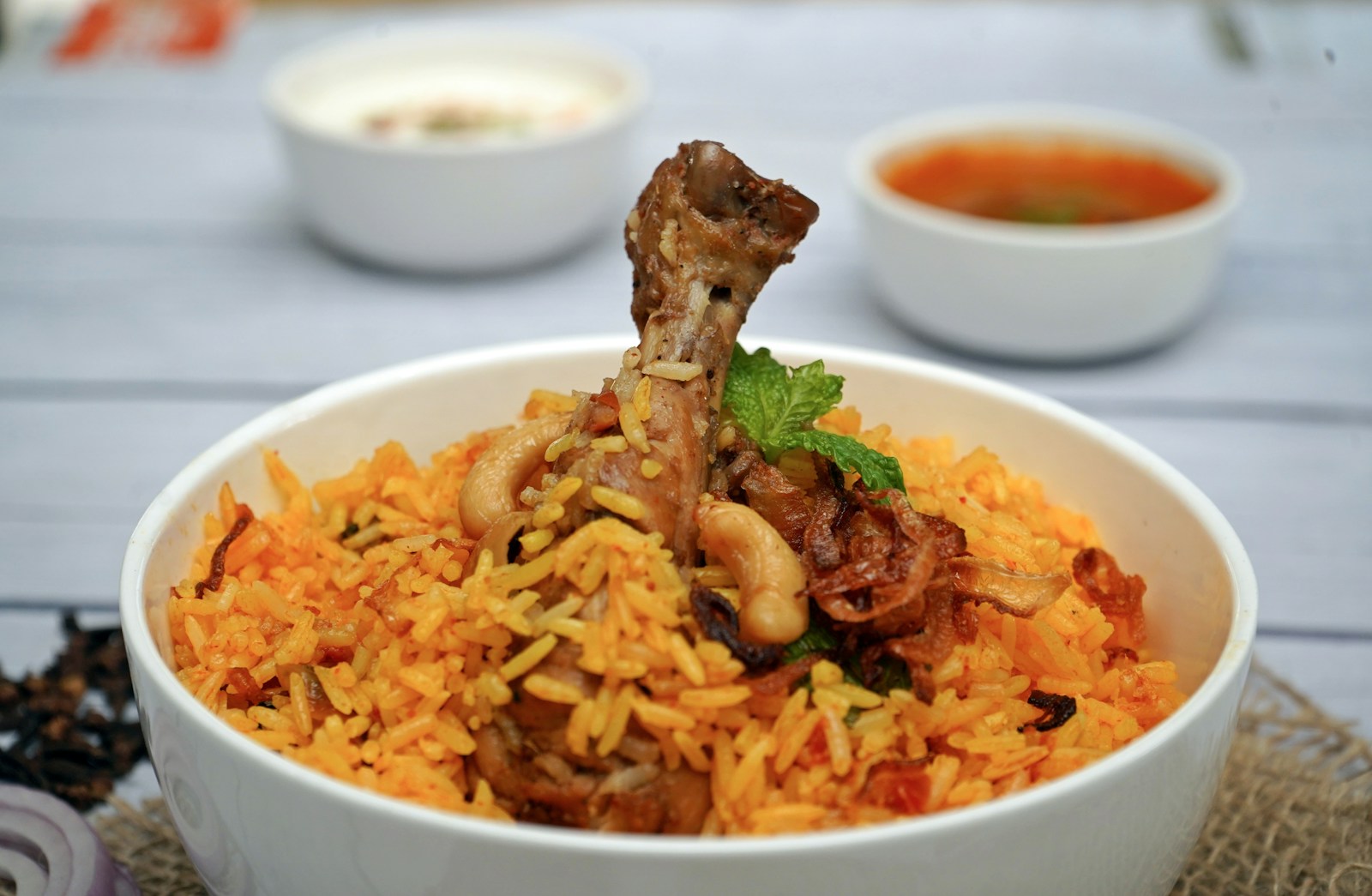
Dum cooking relies on gentle heat and a tightly sealed pot so that steam stays trapped and circulates within the dish. This method is famous in biryani, where rice, meat or vegetables, herbs, saffron, and fried onions finish together so each grain absorbs perfume without turning mushy. In many homes, a strip of dough is pressed around the lid to lock in moisture, while the pot may sit over a low flame or even on a heavy griddle to soften direct heat. The same principle guides many slow-cooked dals, meat curries, and festive gravies, where time softens fibers and marries spices beautifully. Dum rewards restraint, because the finest flavor often comes not from constant stirring but from allowing the ingredients to settle and cook in their own aromatic steam.
Tandoor Heat and Freshly Ground Masalas
The tandoor gives Indian food a character that is difficult to copy: fierce heat, smoky edges, and a juicy interior. Meats, paneer, and breads cling briefly to the intense walls or roast close to live fire, forming charred spots and a roasted aroma while the marinade caramelizes on the surface. Much of that marinade depends on freshly ground masalas, often made by toasting spices lightly before pounding or grinding them into a fragrant blend. In Kerala and across India, cooks still grind coconut, chilies, fennel, pepper, and other spices fresh for particular dishes because the oils are brighter and more expressive than ready-made powders. Whether used for a tandoori marinade or a homestyle curry, fresh masala gives a dish its signature personality and a sense of immediacy that defines good Indian cooking.
Keep Reading
 Article
Indian Spices
Fragrant foundations of every Indian kitchen
 Article
Coconut in Indian Food
The many lives of coconut in Indian kitchens
ArticleMillets in Indian Food
Ancient grains returning to everyday Indian plates