
Millets in Indian Food
Ancient grains returning to everyday Indian plates
For generations, millets quietly fed Indian homes through rotis, porridges, and festive snacks before polished rice and refined wheat took center stage. Today, ragi, jowar, and bajra are finding their way back into kitchens, valued for their earthy flavor, hardy farming roots, and nourishing place in both traditional and modern meals.
Why millets are returning
The renewed love for millets in India is not just a food trend; it is a return to grains that suited our climate, soil, and everyday cooking wisdom. Ragi in the south, jowar across the Deccan, and bajra in the dry belts of Rajasthan and Gujarat were once staples because they grew well with less water and gave steady energy. As families look for more diverse grains, these millets feel practical as well as nostalgic. Their taste is honest and satisfying, with a wholesome character that works beautifully in simple home food. Farmers, cooks, and nutrition-conscious households are all helping bring them back to the daily thali.
Nutrition that fits Indian meals
Each millet brings its own strength to the plate. Ragi is especially valued for its calcium content and is often chosen for children, elders, and anyone looking to support bone health through food. Jowar and bajra provide fiber and complex carbohydrates, helping make meals more filling and balanced when paired with dals, vegetables, curd, or chutneys. These grains also contribute important minerals such as iron, magnesium, and phosphorus, while naturally being gluten free. In a country where meals are built around grain, curry, and sides, millets fit naturally without feeling like a special diet item.
Traditional uses across regions
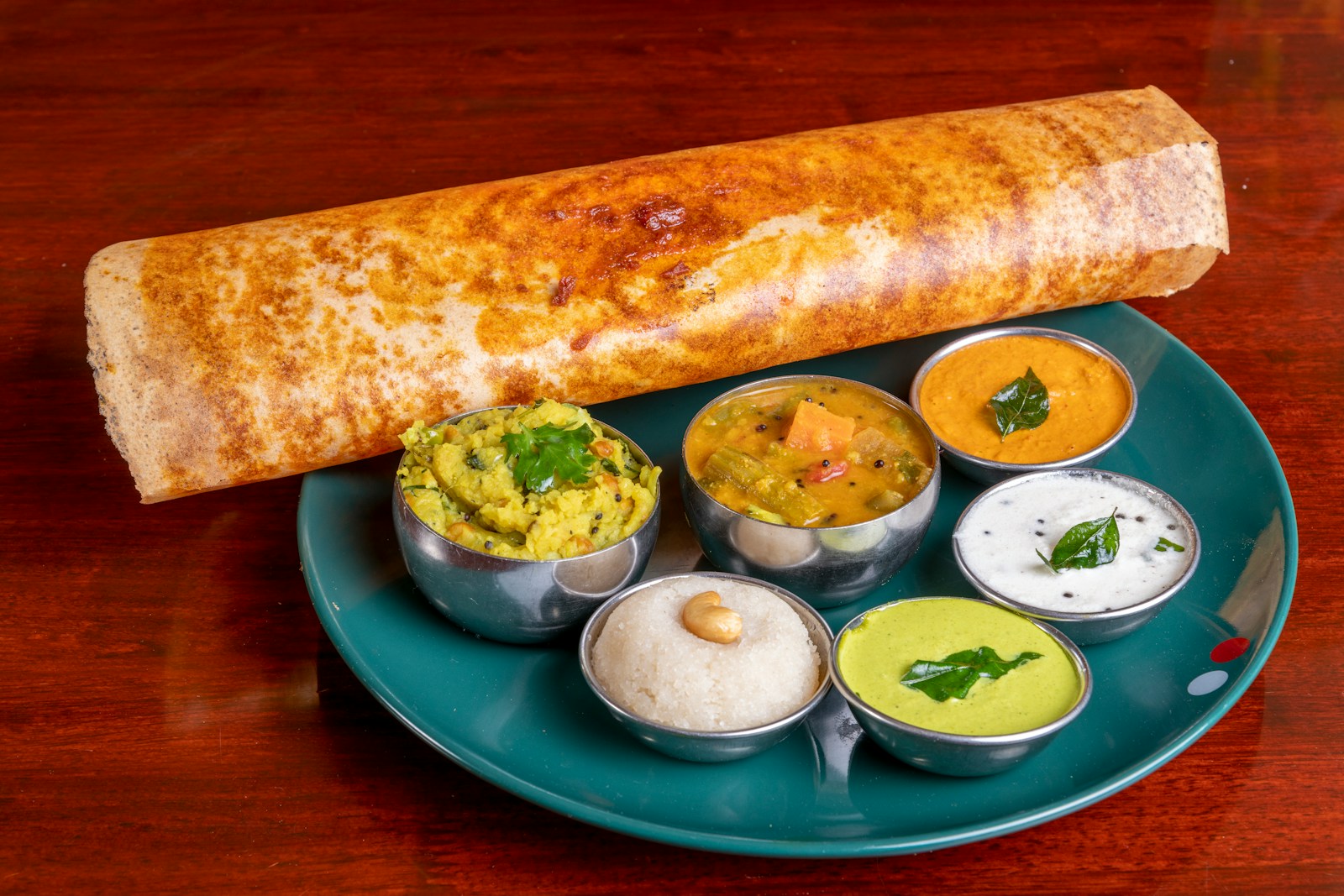
Indian kitchens have long known how to bring out the best in millets through soaking, grinding, fermenting, and slow cooking. Ragi becomes soft mudde in Karnataka, comforting porridge, dosa batter, and even malted drinks that many families remember from childhood. Jowar is shaped into tender bhakri in Maharashtra and parts of Karnataka, where it is eaten hot with pithla, green chilli thecha, or a robust curry. Bajra turns into hearty rotla and khichdi in western India and winter-friendly flatbreads in the north, often served with white butter, jaggery, garlic chutney, or smoky baingan dishes. These preparations show that millets were never dull survival food; they were deeply woven into regional flavor, season, and skill.
Modern ways to cook with ragi, jowar, and bajra
Today’s cooks are using millets with imagination while respecting their traditional character. Ragi flour can be folded into idli batter, pancakes, laddus, and baked goods, where it adds a nutty depth and a lovely dark color. Jowar works well in wraps, upma-style broken grain dishes, hand-pressed thalipeeth, and even crisp crackers for tea-time snacking. Bajra shines in warm salads, vegetable tikki mixtures, cheelas, and rustic khichda-style bowls, especially in cooler weather when its rich taste feels most welcome. The easiest way for families to start is to replace just part of the rice or wheat in familiar recipes, letting these grains slowly become everyday favorites again.
Keep Reading
 Article
Indian Spices
Fragrant foundations of every Indian kitchen
 Article
Coconut in Indian Food
The many lives of coconut in Indian kitchens
 Article
Techniques of Indian Cooking
Traditional methods that build aroma, depth and balance