
Indian Spices
Fragrant foundations of every Indian kitchen
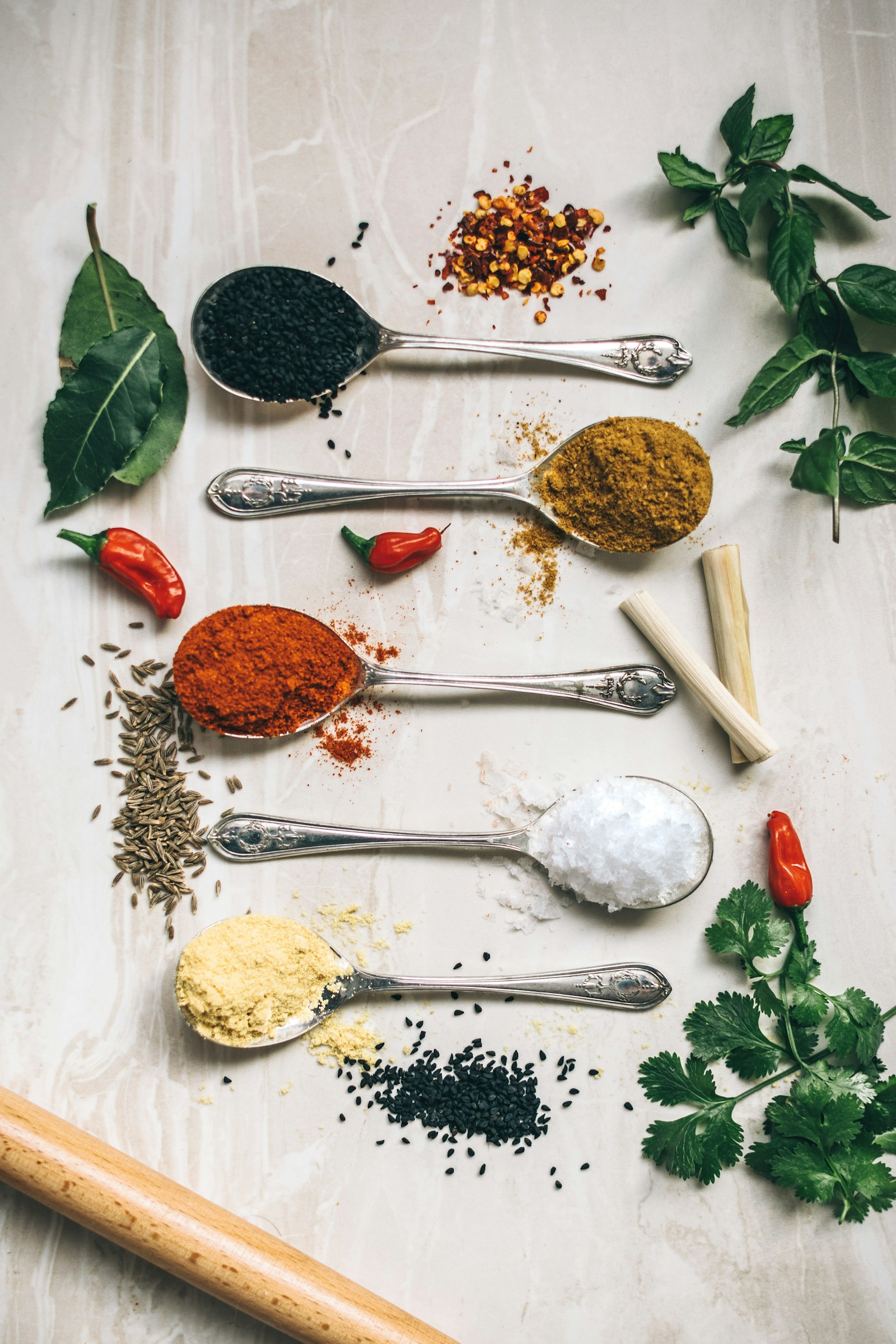
Indian cooking begins with spice, but not with heat alone. Each seed, bark, pod, and leaf carries its own story of land, aroma, and healing, turning everyday meals into something layered, comforting, and memorable.
The soul of the masala box
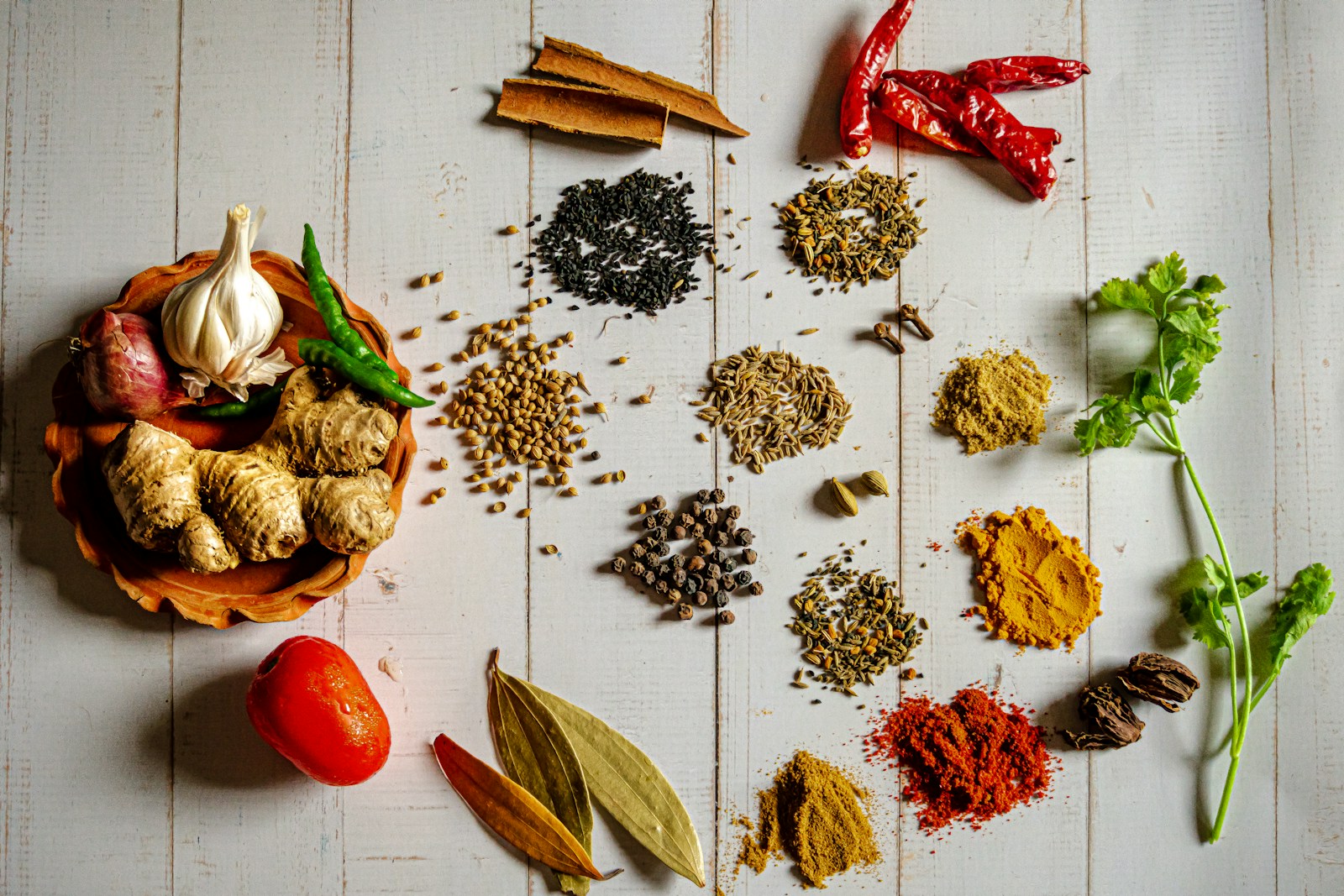
In many Indian homes, the spice box is opened as often as the rice jar, because spices are the backbone of daily cooking. Cumin, coriander, turmeric, mustard seeds, red chilli, and fenugreek are among the essentials that appear from Kashmir to Kerala, though each region uses them in its own way. Some came from the subcontinent’s own fields, while others, like chilli, arrived through old trade routes and became deeply Indian over time. Their aromas range from earthy and nutty to citrusy, smoky, floral, and sharp. The real skill in Indian cooking is not simply adding many spices, but knowing which ones to combine, toast, grind, or temper so that each dish finds balance.
Origins and aromas in the pan
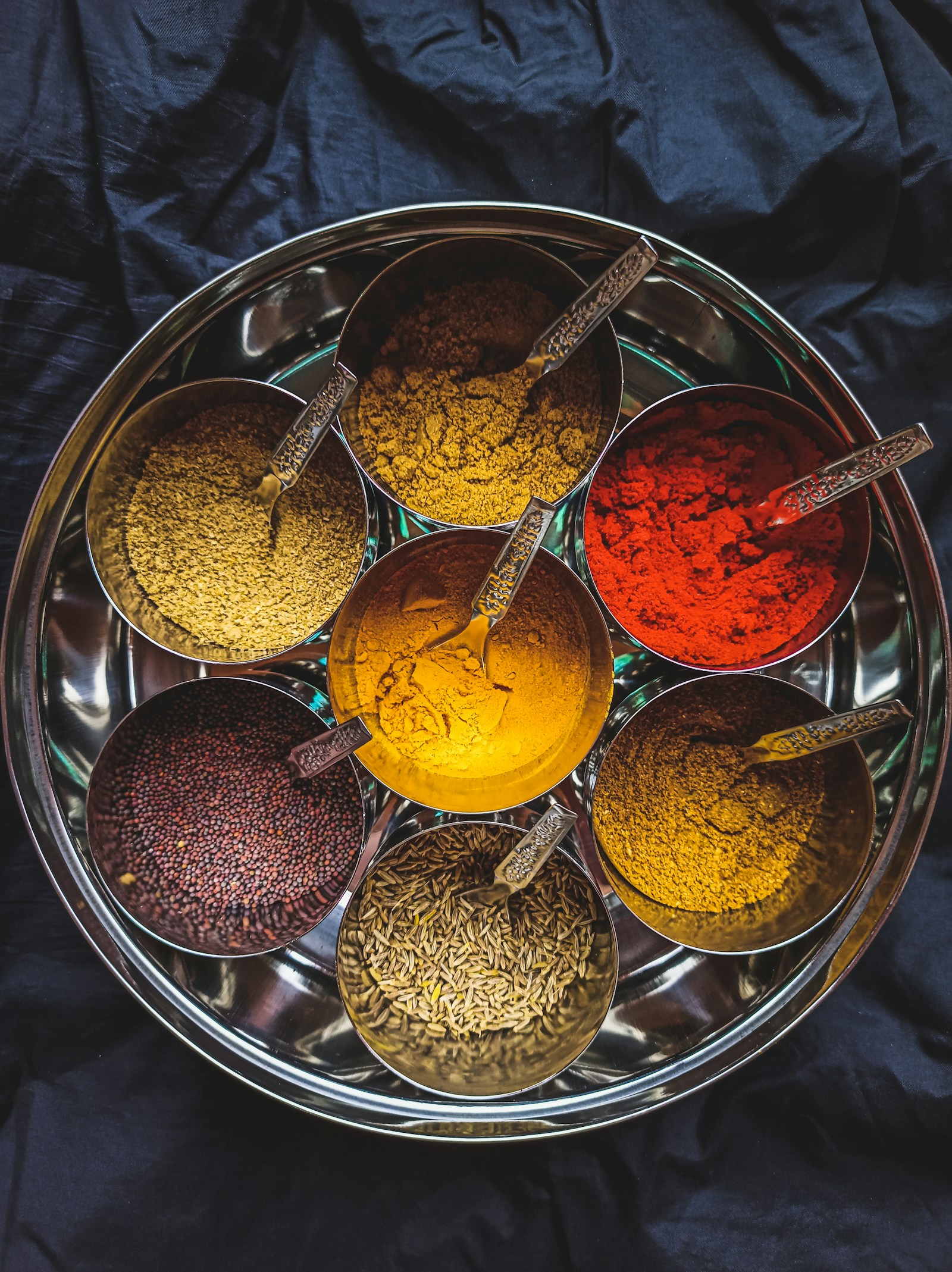
Cumin and coriander have ancient roots in Indian kitchens and are valued for their warm, woody, gently sweet fragrance. Black pepper, long treasured on the Malabar Coast, brings a deep, lingering heat very different from the brighter punch of red chilli. Cardamom from the Western Ghats offers a sweet, eucalyptus-like perfume that lifts both desserts and rice dishes, while cinnamon and cloves add a rich, rounded warmth. Mustard seeds release a nutty, almost wasabi-like sharpness when they crackle in hot oil, especially in South Indian cooking. Asafoetida, used in tiny pinches, gives lentils and vegetable dishes a savory depth that becomes mellow and onion-like once cooked.
Spices and traditional health wisdom
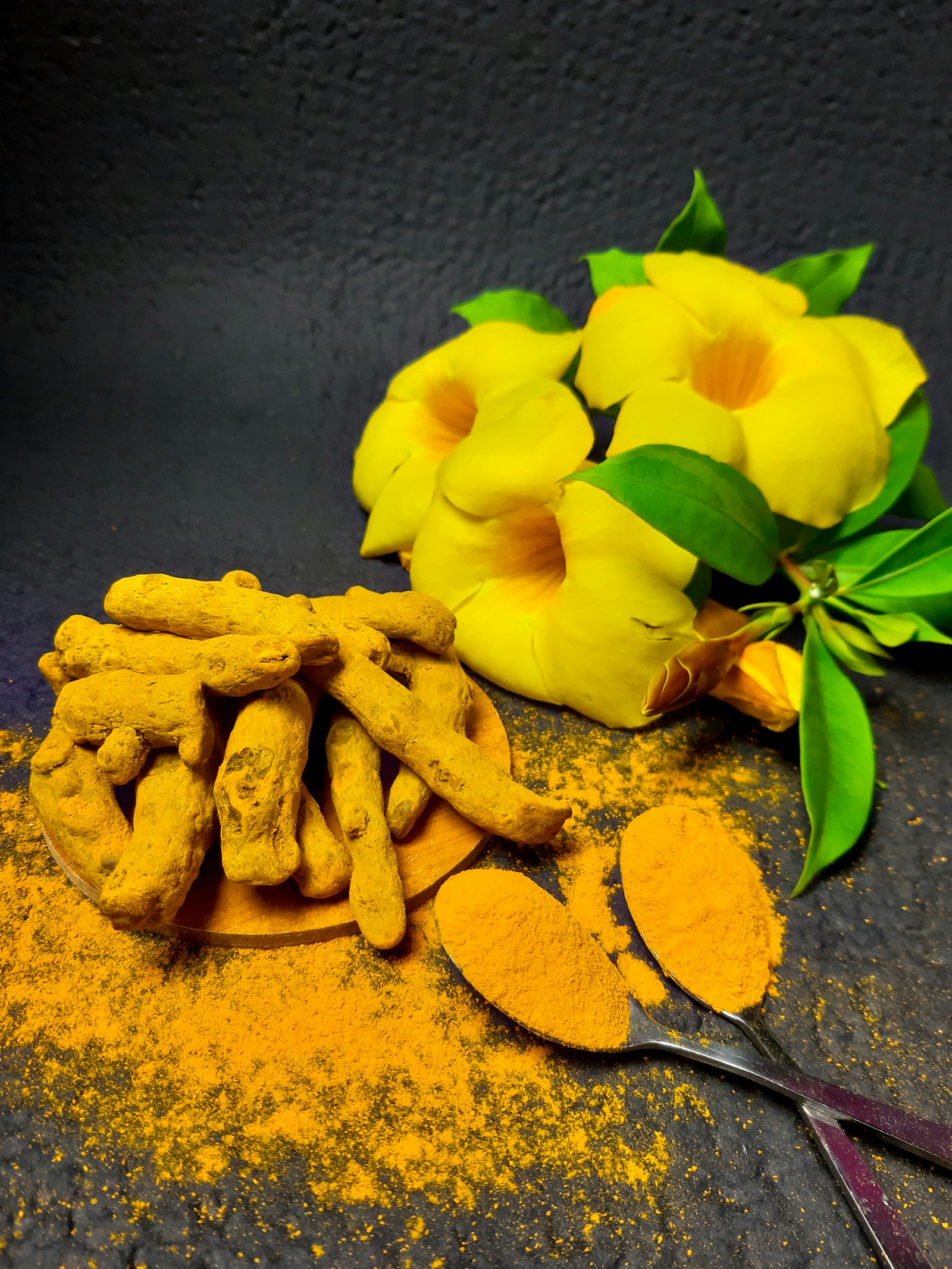
Indian food traditions have long valued spices not only for flavor but also for how they support digestion and everyday well-being. Turmeric is especially respected for its curcumin content and is commonly used in curries, dals, and home remedies for its anti-inflammatory reputation. Cumin, ajwain, fennel, and ginger are often associated with digestive comfort, which is one reason they appear so often in meals that include beans, lentils, and fried foods. Black pepper is believed to stimulate appetite and enhance the absorption of certain compounds, while fenugreek is widely appreciated in home cooking for its earthy bitterness and traditional use in balanced diets. Though spices are not a substitute for medical care, they remain an important part of the practical food wisdom passed through Indian families.
How Indian cooks bring spices to life
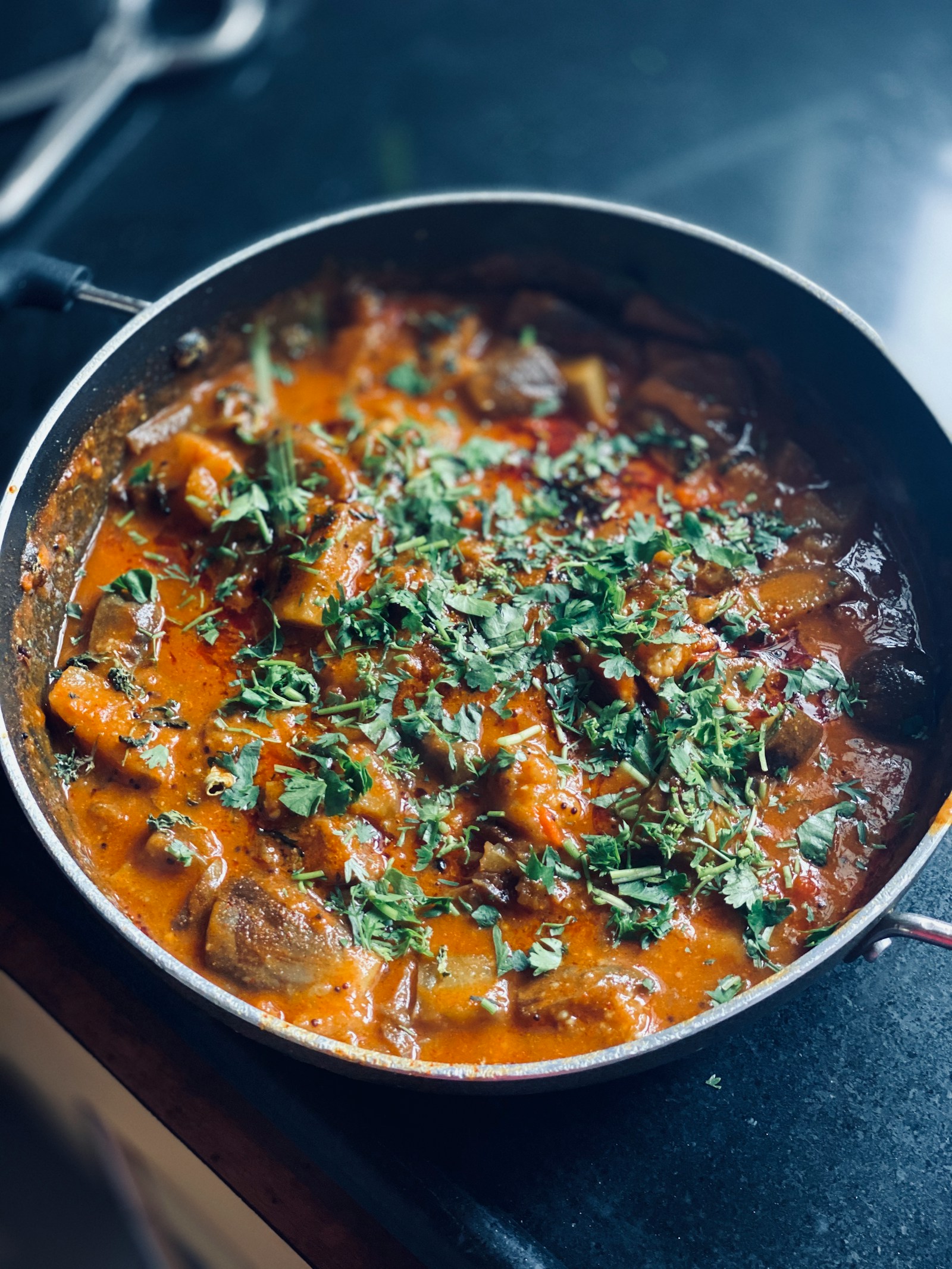
The way spices are used matters as much as the spices themselves. Whole spices may be dry roasted to deepen their fragrance, ground fresh for masalas, or tempered in hot oil or ghee so their essential oils bloom at the start of cooking. A Kerala fish curry might rely on black pepper, turmeric, fenugreek, and curry leaves, while a North Indian garam masala may lean on cardamom, cinnamon, cloves, and cumin for a more warming profile. Delicate spices are added later to preserve aroma, but sturdy seeds and barks can handle longer cooking. When used with care, spices do not fight for attention; they build a dish layer by layer until the final flavor feels full, harmonious, and unmistakably Indian.
Keep Reading
ArticleCoconut in Indian Food
The many lives of coconut in Indian kitchens
ArticleTechniques of Indian Cooking
Traditional methods that build aroma, depth and balance
ArticleMillets in Indian Food
Ancient grains returning to everyday Indian plates