Festival Food of India
Celebratory dishes that bring India’s festivals to life
Across India, festivals are remembered as much by their food as by their prayers, colors, and gatherings. Each celebration brings its own aromas from the kitchen, where sweets, savories, and festive meals carry family memory, regional pride, and the joy of sharing.
Diwali: Lamps, Sweets, and Savory Treats
Diwali kitchens glow with activity long before the lamps are lit, as families prepare boxes of sweets and crisp snacks for guests. Popular treats include laddoo, kaju katli, barfi, shakkarpara, and namak para, each made in large batches for easy sharing. In many homes, ghee, cardamom, saffron, and nuts give the sweets their festive richness and fragrance. Regional specialties also shine, from Mysore pak in the south to chirote and anarsa in western India. Offering these homemade delicacies to neighbors and relatives is one of the warmest customs of the season.
Onam: The Grand Sadya of Kerala
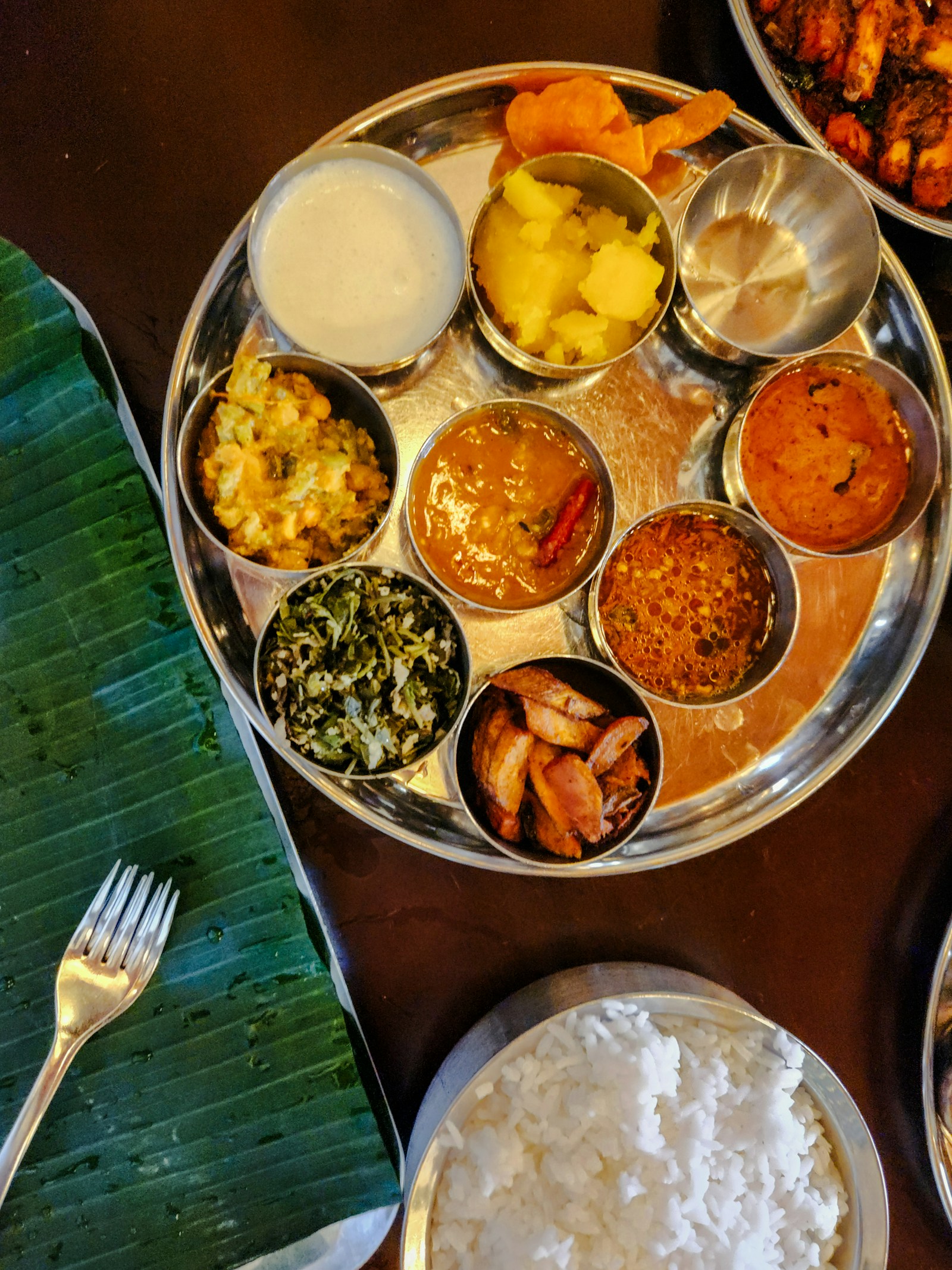
Onam is celebrated with the magnificent sadya, a traditional Kerala feast served on a banana leaf with a graceful balance of flavors and textures. A classic sadya may include red rice, sambar, parippu, avial, olan, thoran, kichadi, pachadi, erissery, pickles, pappadam, and banana chips. The meal usually ends with one or more payasams such as ada pradhaman or palada payasam, silky and sweet with the taste of coconut milk, jaggery, or milk. Every item has its place on the leaf, and even the order of serving matters in many homes. More than a meal, the Onam sadya expresses abundance, hospitality, and the deep food culture of Kerala.
Eid: Fragrant Dishes for Sharing
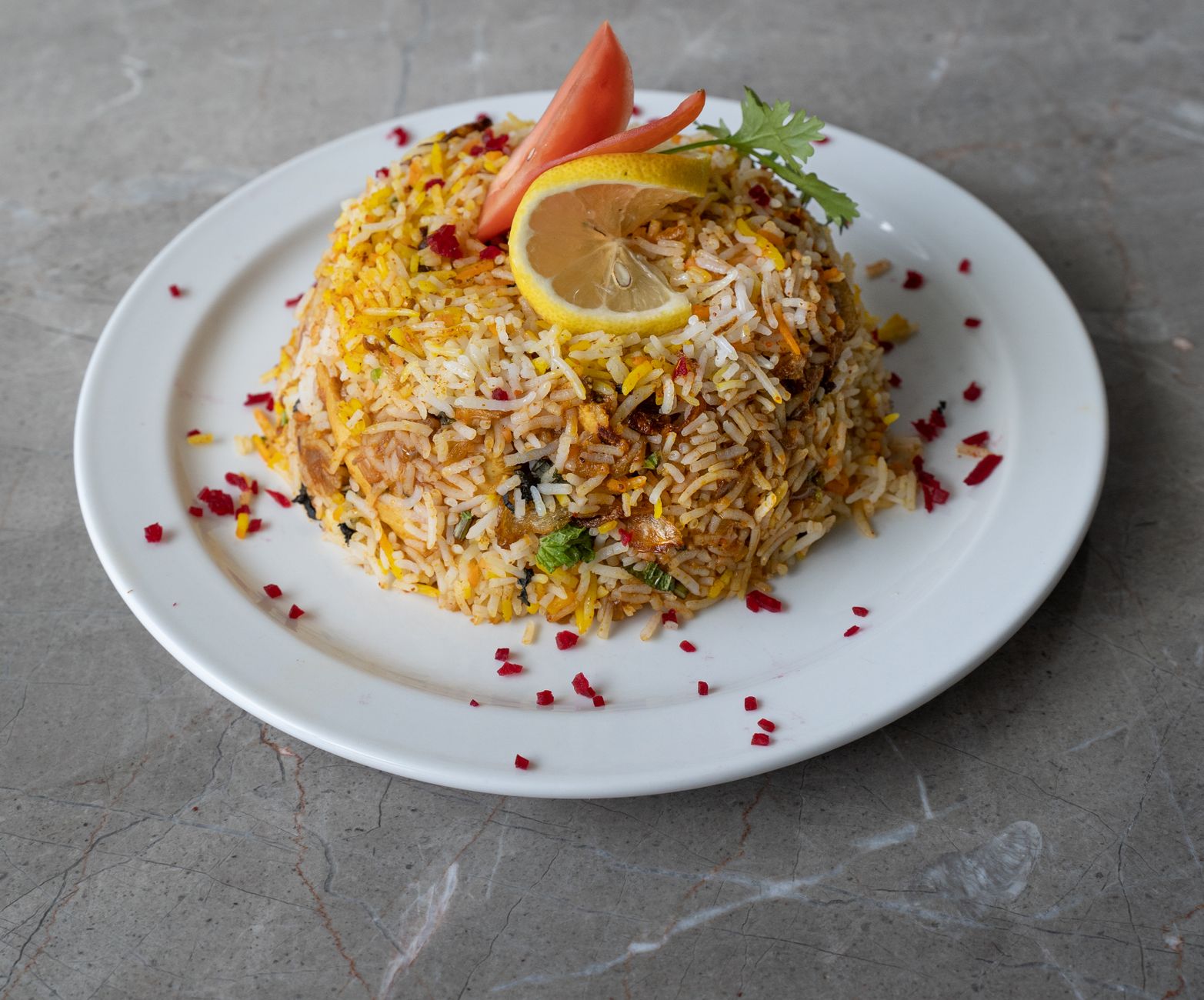
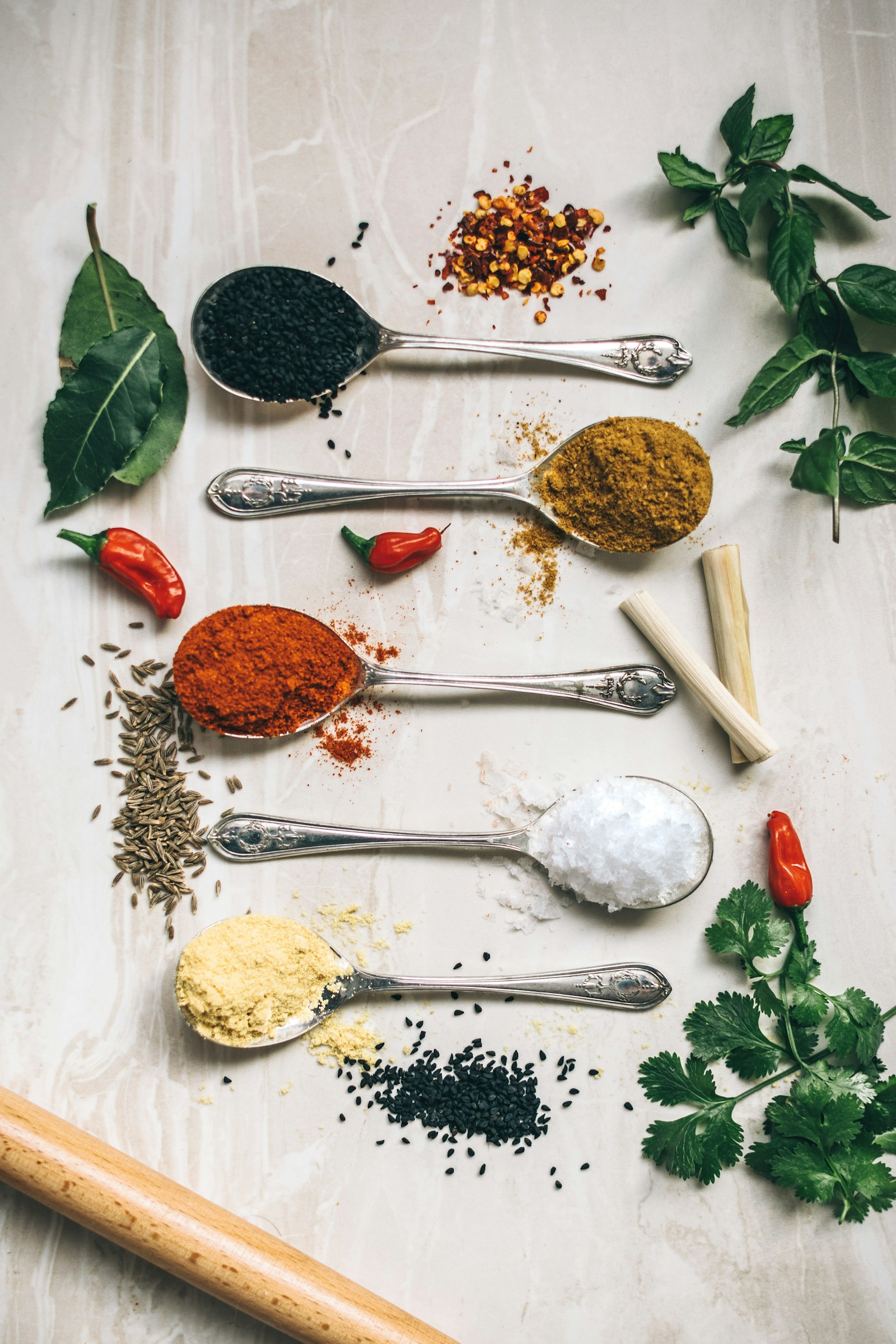
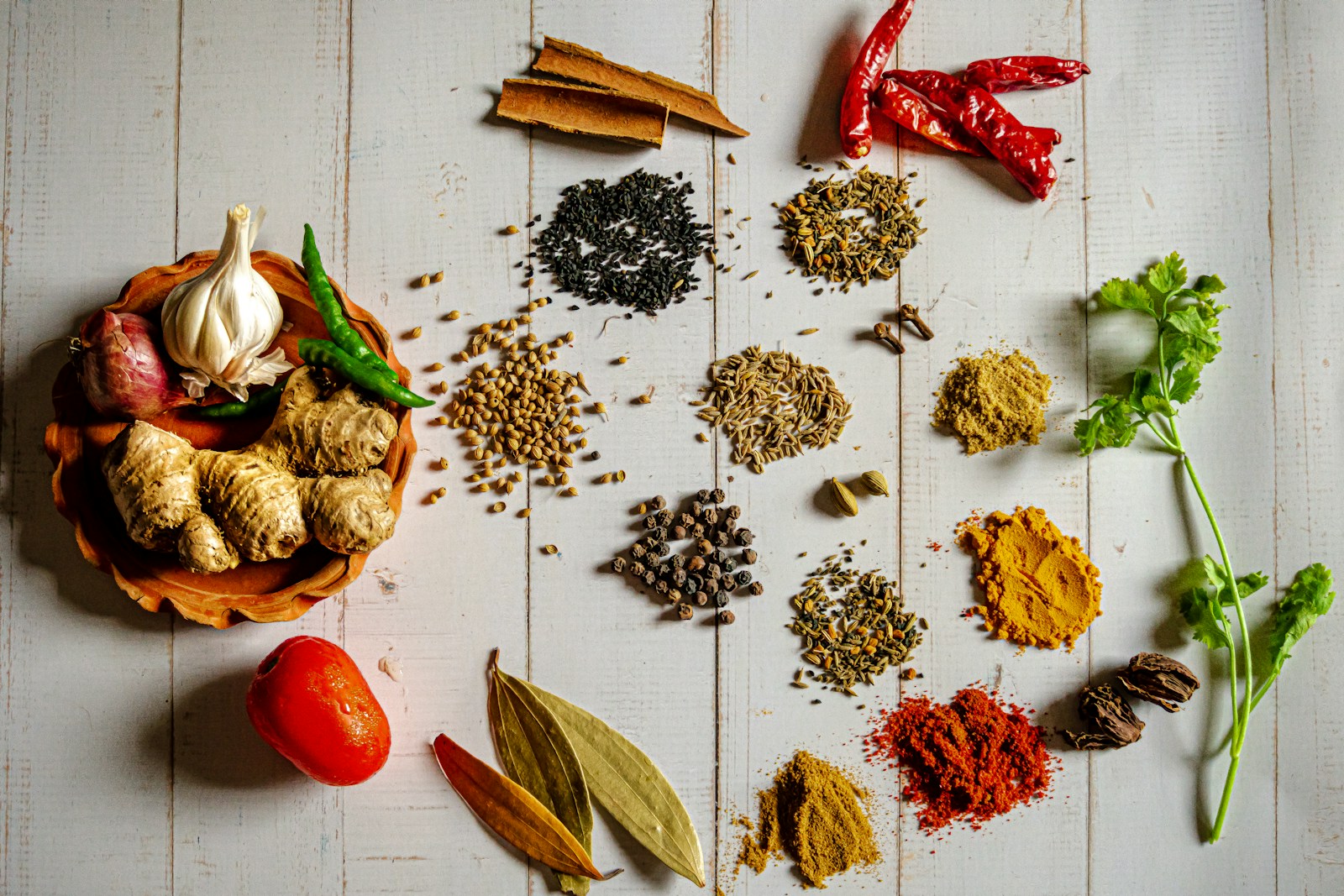
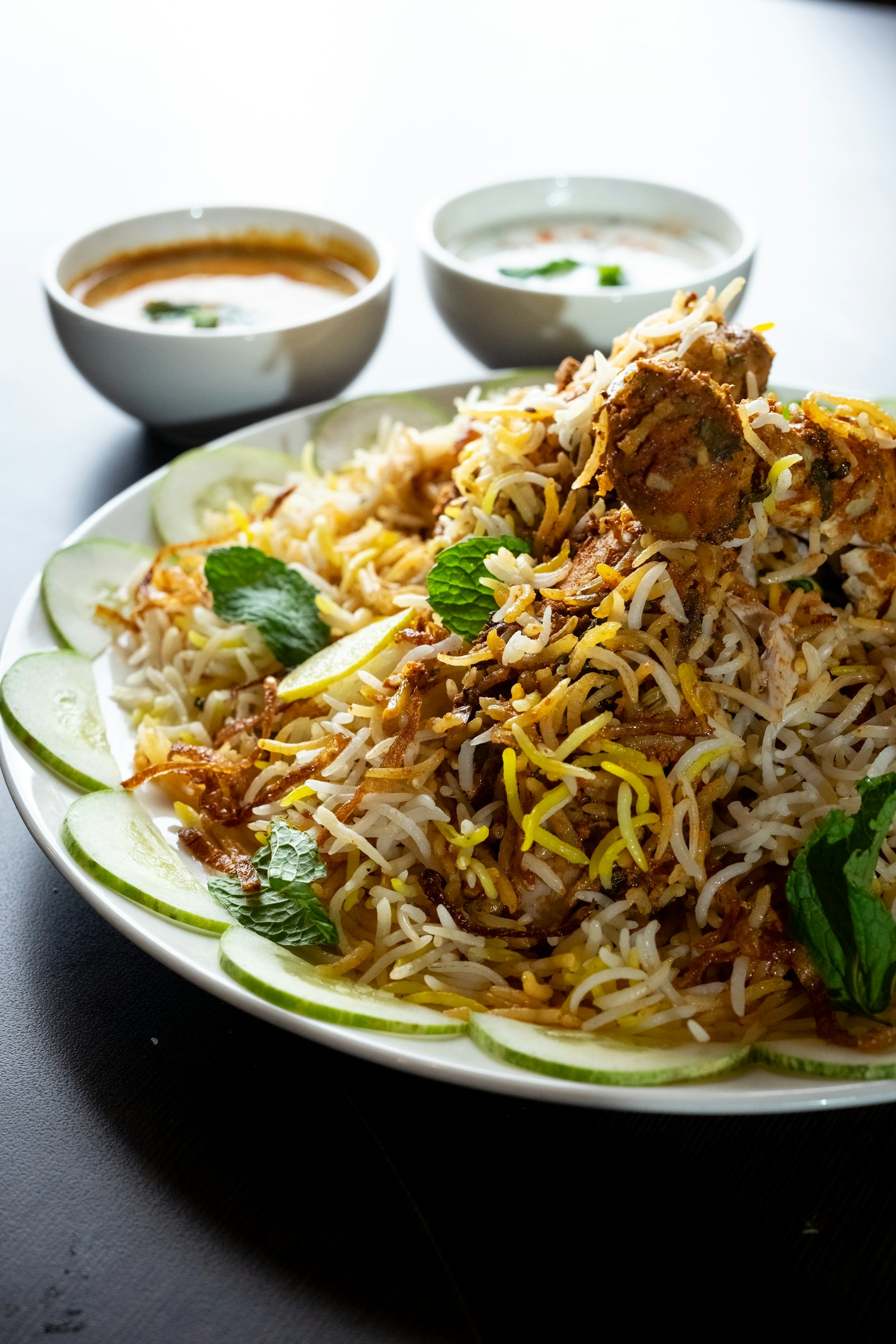
Eid tables are generous and welcoming, filled with foods meant to be shared with family, friends, and visitors. Sweet dishes often take center stage first, especially sheer khurma, a festive vermicelli pudding enriched with milk, dates, nuts, and gentle spice. Alongside it come treasured savory dishes such as biryani, kebabs, korma, or haleem, depending on the region and family tradition. The cooking is often slow and aromatic, with saffron, rose water, fried onions, cardamom, and cloves adding depth and celebration to the meal. The spirit of Eid food lies in generosity, where the first bowl or plate is as important as the feast itself.
Pongal and Holi: Harvest Comfort and Playful Sweets
Pongal in South India celebrates the harvest with the beloved dish that gives the festival its name, made in both sweet and savory forms. Sakkarai pongal is rich with newly harvested rice, moong dal, jaggery, ghee, cashews, and raisins, while ven pongal is savory, soft, and scented with black pepper, cumin, curry leaves, and ghee. Holi, by contrast, arrives with a playful spread of colorful and indulgent foods such as gujiya, malpua, dahi vada, and thandai. Gujiya, with its crisp pastry shell and sweet khoya filling, is especially iconic in many northern homes. Together, these two festivals show how Indian festive food can be both comforting and exuberant, rooted in season, community, and celebration.
Keep Reading
 Article
Indian Culinary Heritage
Ancient flavors, trade routes, and wisdom at the table
 Article
Indian Food Traditions
Meals that celebrate community, balance, and generous hospitality
ArticleIndian Street Food
Bold flavors from India’s bustling roadside kitchens