Indian Street Food
Bold flavors from India’s bustling roadside kitchens
Indian street food is a lively celebration of flavor, speed, and local character, served from carts, stalls, and tiny roadside kitchens across the country. From crisp, tangy chaat to buttery rolls and sizzling dosas, these everyday snacks capture the creativity and warmth of Indian food culture in every bite.
The irresistible charm of chaat
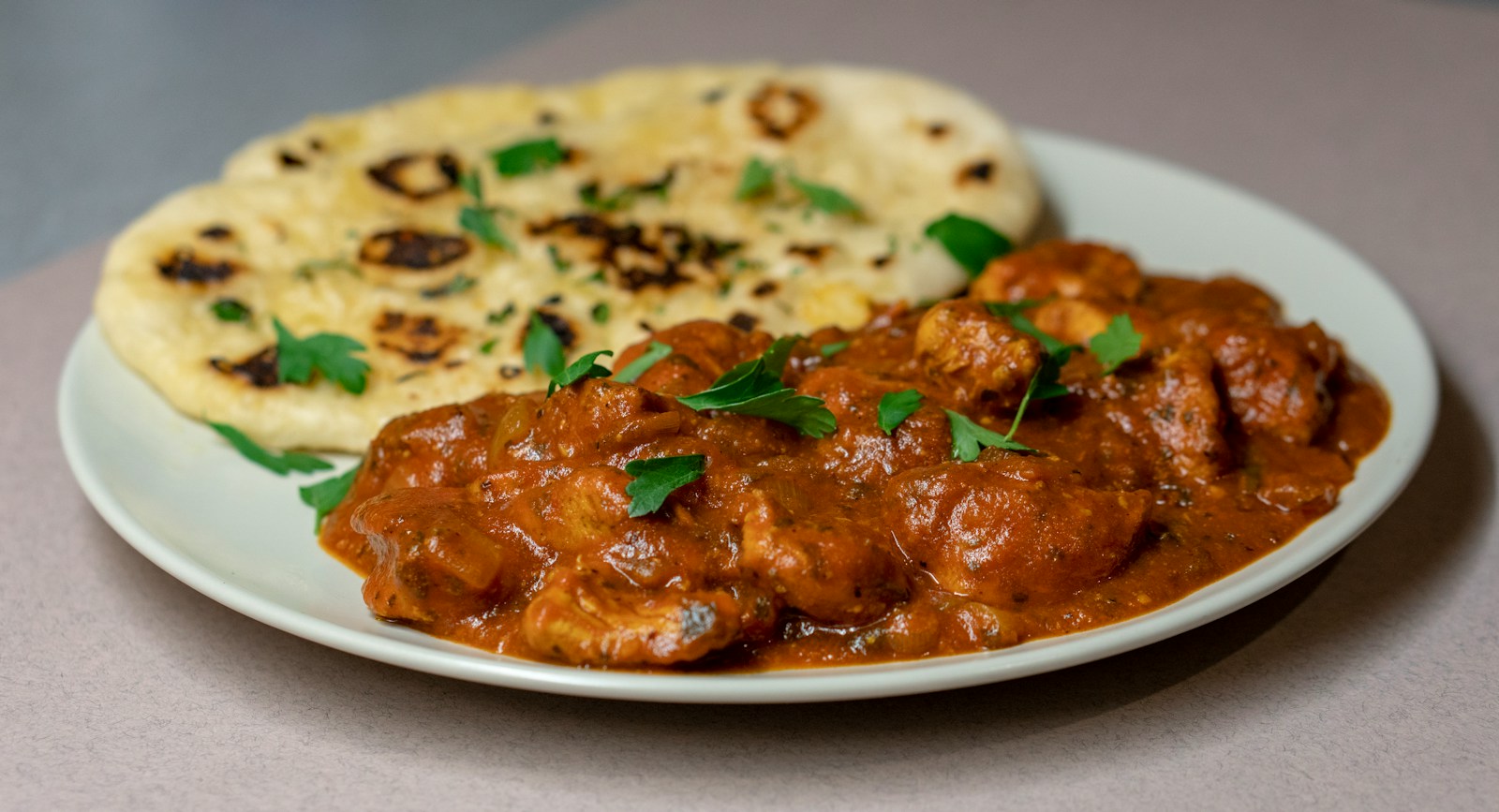
Chaat is one of the most exciting corners of Indian street food, built on contrast and surprise. A typical plate may bring together crunchy fried elements, boiled potatoes, chickpeas, yogurt, chutneys, fresh coriander, onions, and a shower of sev. Sweet tamarind, spicy green chutney, black salt, roasted cumin, and chili create layers that hit the tongue all at once. In Delhi, aloo tikki chaat is a favorite, with crisp potato patties topped generously and served piping hot. In many North Indian markets, the chaat seller works with remarkable speed, assembling each plate to order while preserving that essential mix of crunch, softness, heat, and tang.
Pani puri and the thrill of the bite
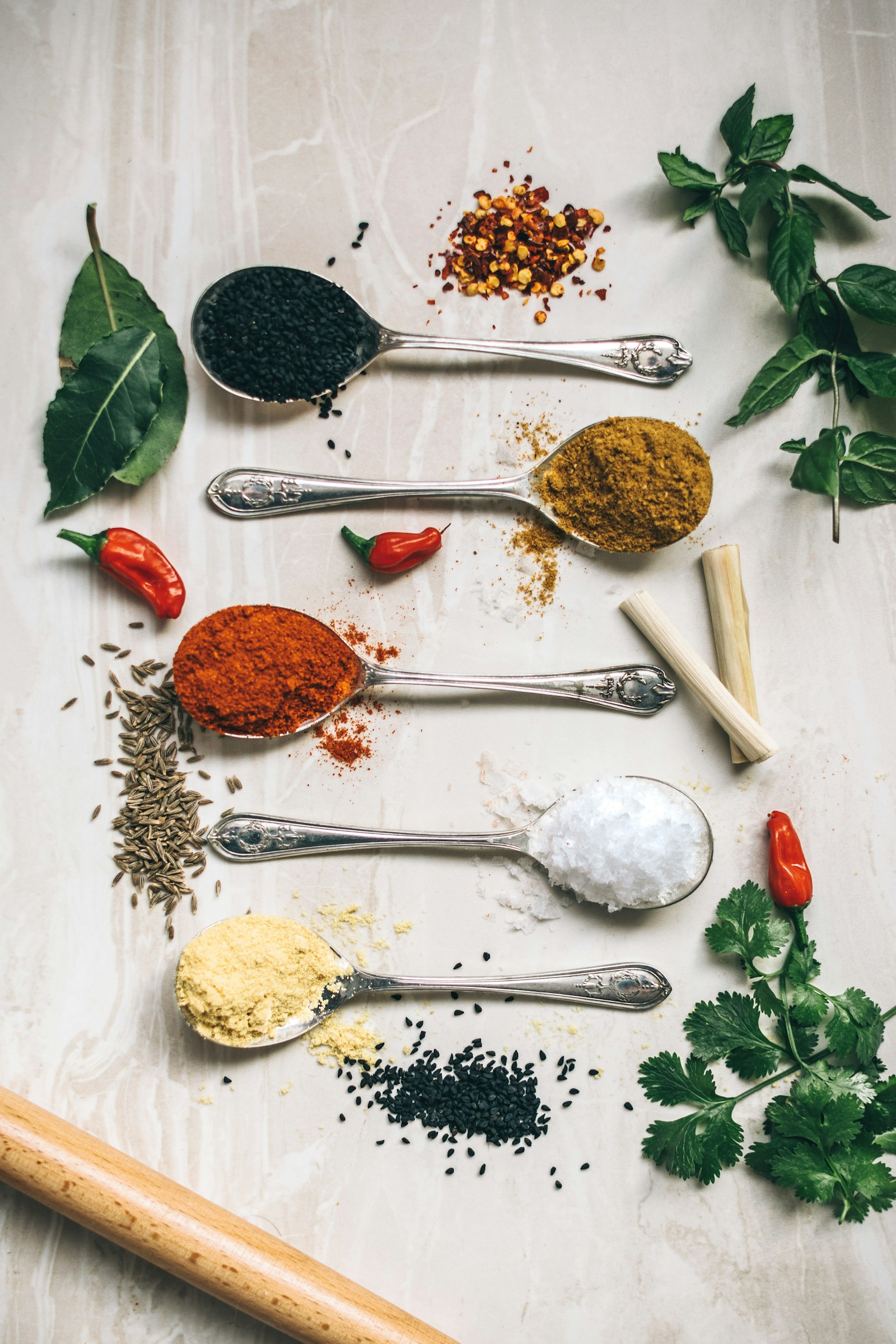
Few street foods are as playful and memorable as pani puri, known by different names like golgappa and puchka depending on the region. The vendor cracks a tiny opening in each crisp semolina or wheat shell, fills it with spiced potato or sprouts, and dips or pours in chilled flavored water. That pani may be sharp with tamarind, fresh with mint and coriander, and lively with green chili, black salt, and roasted cumin. The whole puri is meant to be eaten in one bite, releasing a burst of sour, spicy, and cooling flavors at once. Part of the experience is standing by the stall and eating them one after another as the vendor serves each piece fresh into your hand.
Beloved classics from west and south India
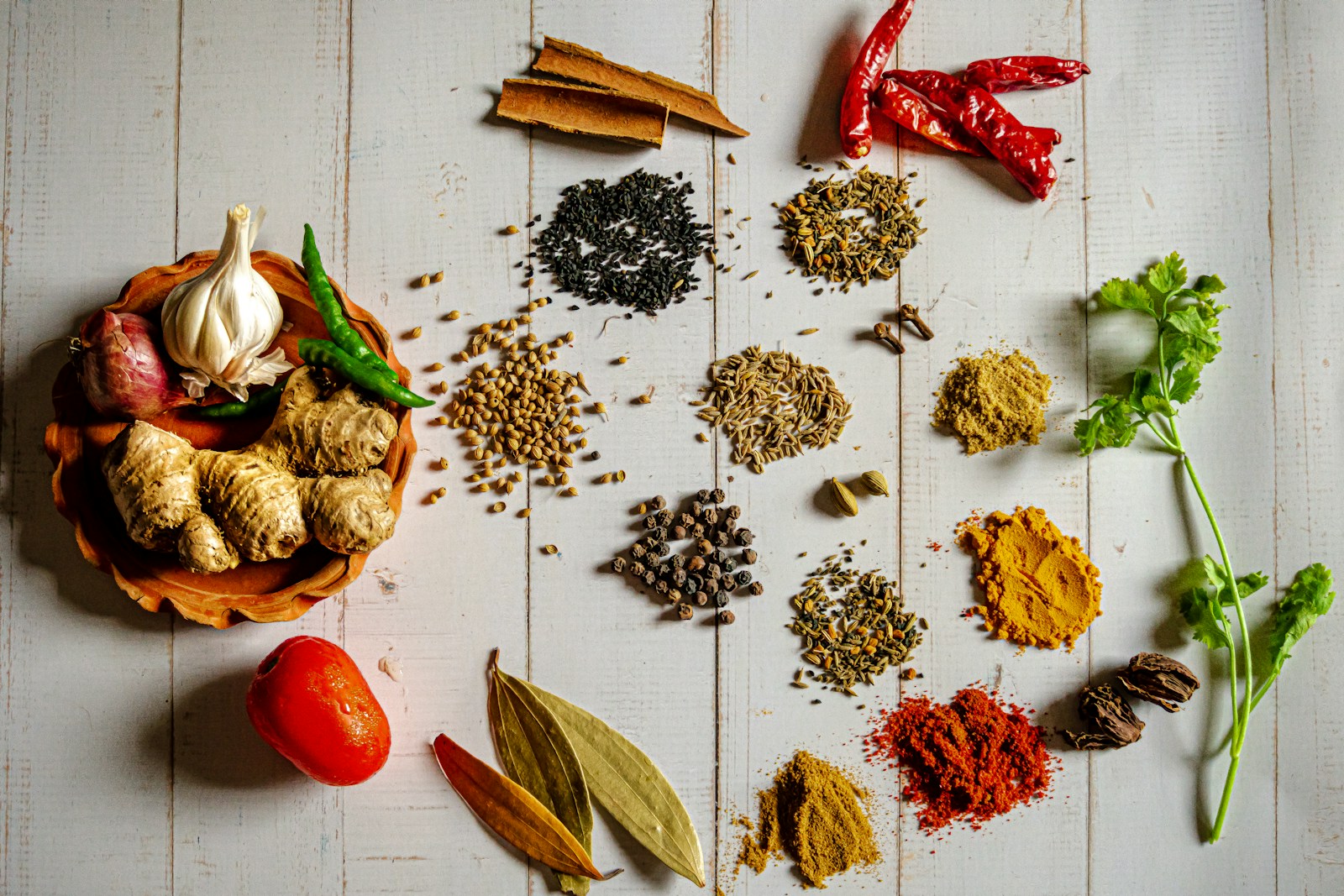
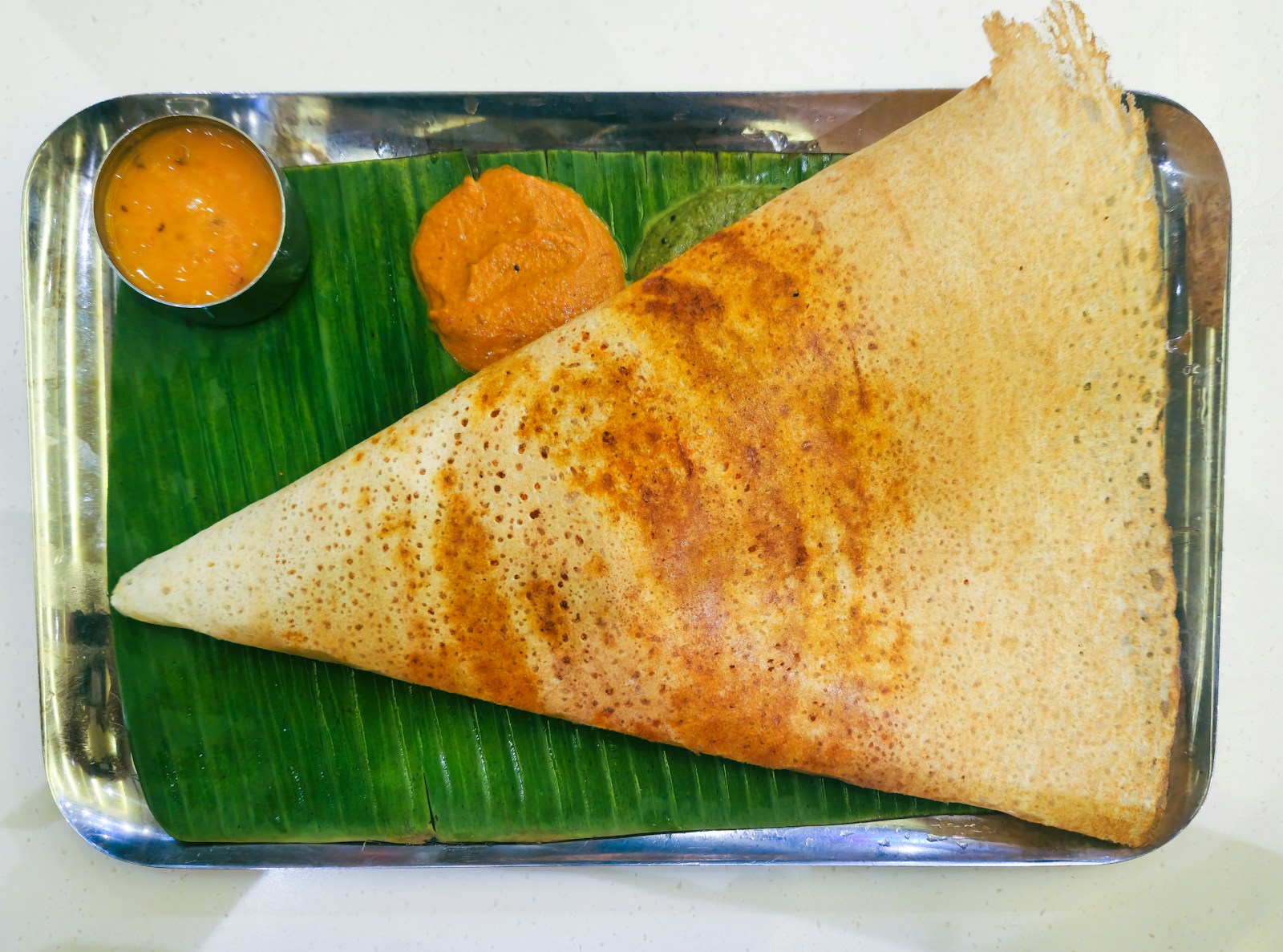
Mumbai’s vada pav is often called the city’s favorite handheld meal, and its appeal is easy to understand. A hot, fluffy pav holds a golden potato fritter seasoned with mustard seeds, turmeric, garlic, and green chili, usually layered with dry garlic chutney and fried chilies on the side. It is affordable, filling, and deeply satisfying, especially when eaten fresh from a busy stall near a railway station or market. Further south, dosa brings a different street food rhythm, with fermented rice-and-lentil batter spread thin over a hot griddle until crisp and aromatic. Whether served plain, masala-filled, or folded around spicy potato, dosa paired with coconut chutney and sambar shows how street food can be both comforting and technically refined.
Rolls, grills, and the regional spirit
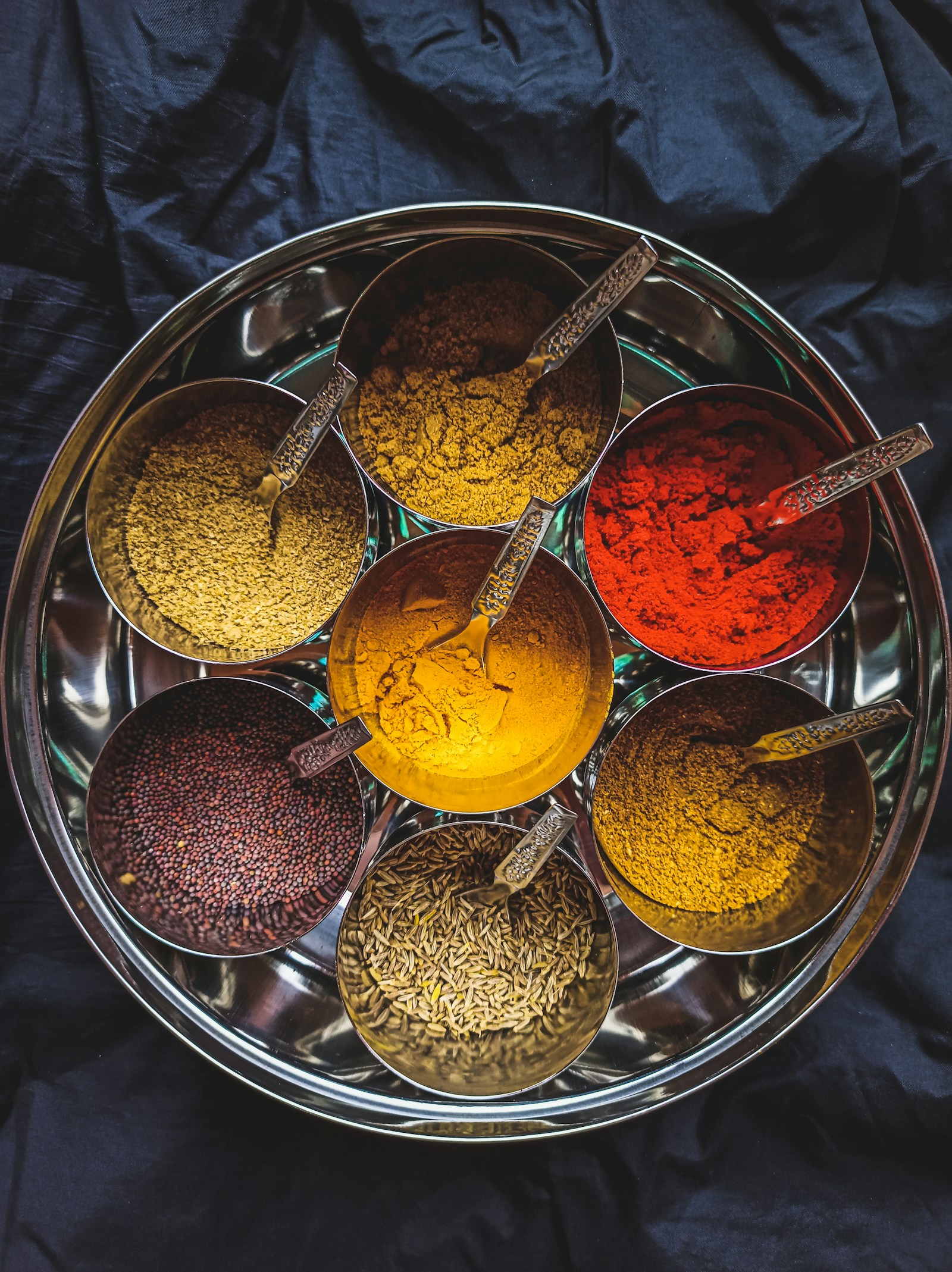
Kathi rolls are a brilliant example of how Indian street food turns simple ingredients into a complete meal on the move. Originating in Kolkata, these rolls typically wrap skewered kebabs, egg, onions, lime, and sauces inside a flaky paratha, making them juicy, smoky, and easy to eat while walking. Across India, street food shifts with geography: pav bhaji sizzles on giant tawas in Mumbai, momos steam in northern hill towns, and spicy fried snacks appear in Kerala tea shops by evening. What ties these foods together is not one recipe but a style of cooking that is fast, generous, and full of personality. Indian street food reflects the country itself—regional, inventive, crowded with flavor, and always ready to welcome another hungry passerby.
Keep Reading
 Article
Indian Culinary Heritage
Ancient flavors, trade routes, and wisdom at the table
 Article
Indian Food Traditions
Meals that celebrate community, balance, and generous hospitality
 Article
Festival Food of India
Celebratory dishes that bring India’s festivals to life