Indian Food Traditions
Meals that celebrate community, balance, and generous hospitality
Indian food traditions are shaped as much by people as by ingredients. Across the country, daily meals, festive feasts, and shared plates express care, rhythm, and a deep respect for feeding others well.
Food as a Shared Experience
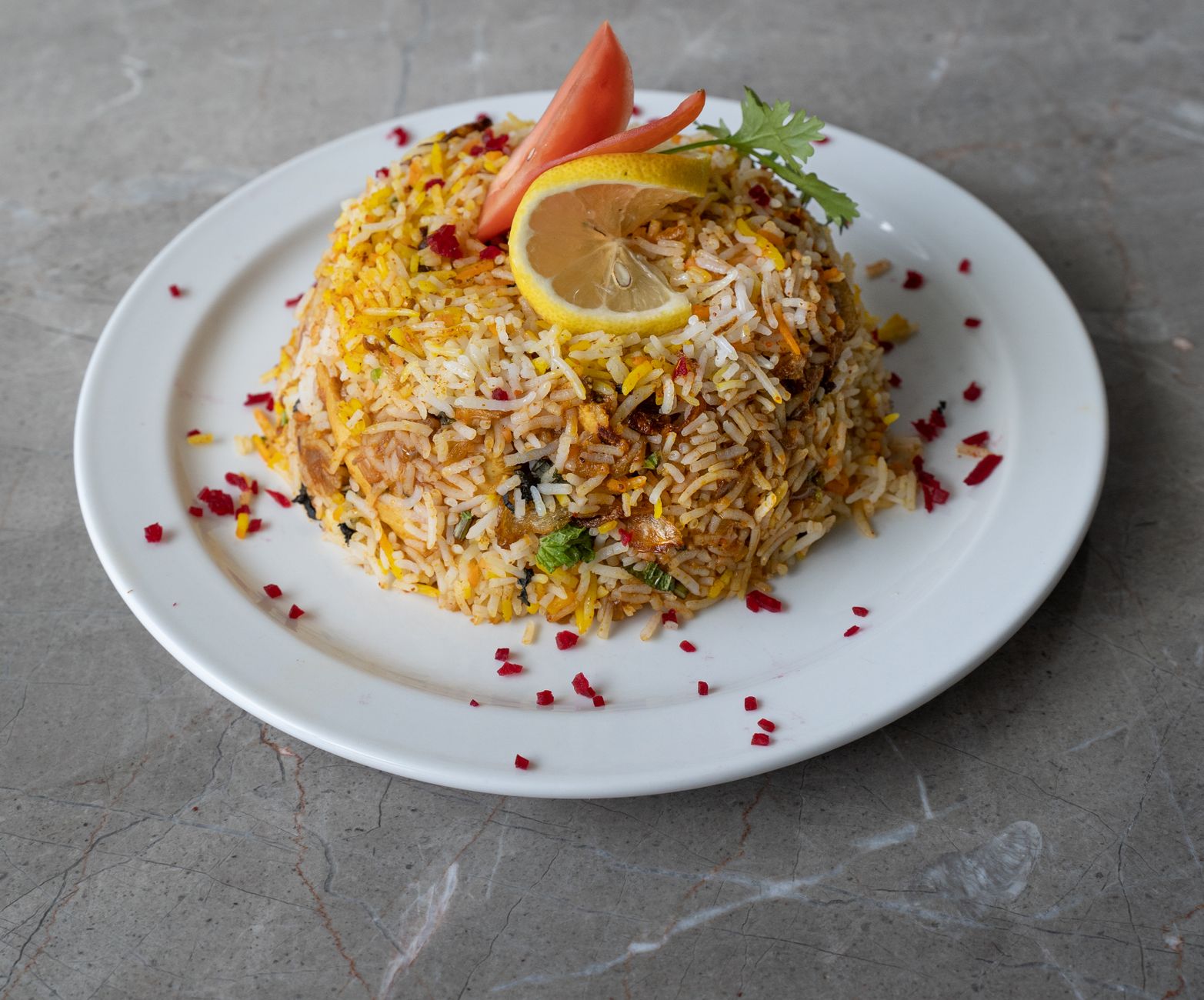
In many Indian homes, food is rarely treated as a private affair. Meals bring family members to the floor mat, dining table, courtyard, or veranda, where serving and eating happen with conversation, teasing, and attention to one another’s needs. A guest is often urged to take a second helping before finishing the first, because generosity at the table is a sign of affection and honor. Even simple dishes like dal, rice, a vegetable stir-fry, pickle, and curd can feel abundant when everyone eats together. This communal spirit is one of the strongest threads running through Indian food culture.
The Harmony of a Thali
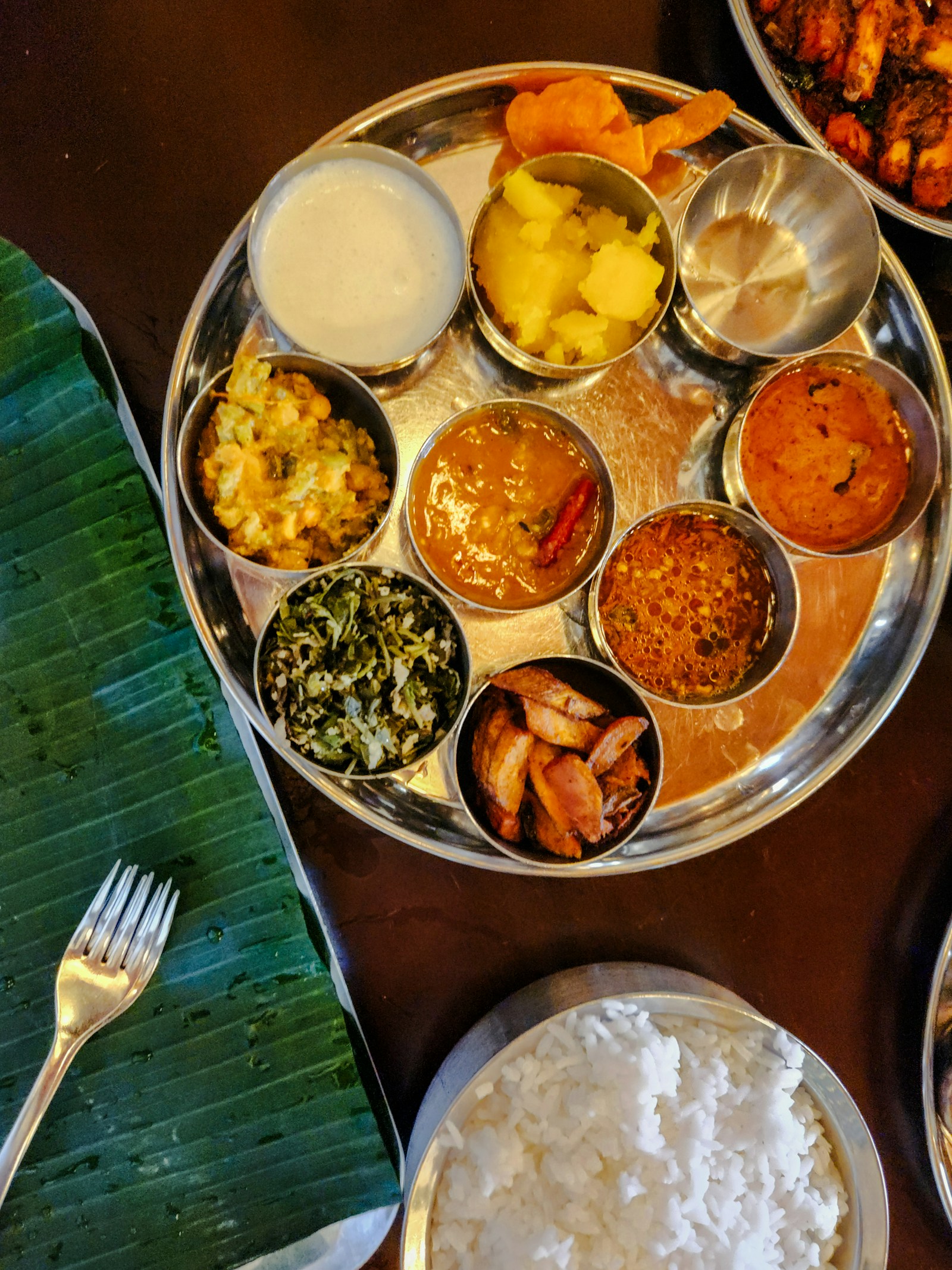
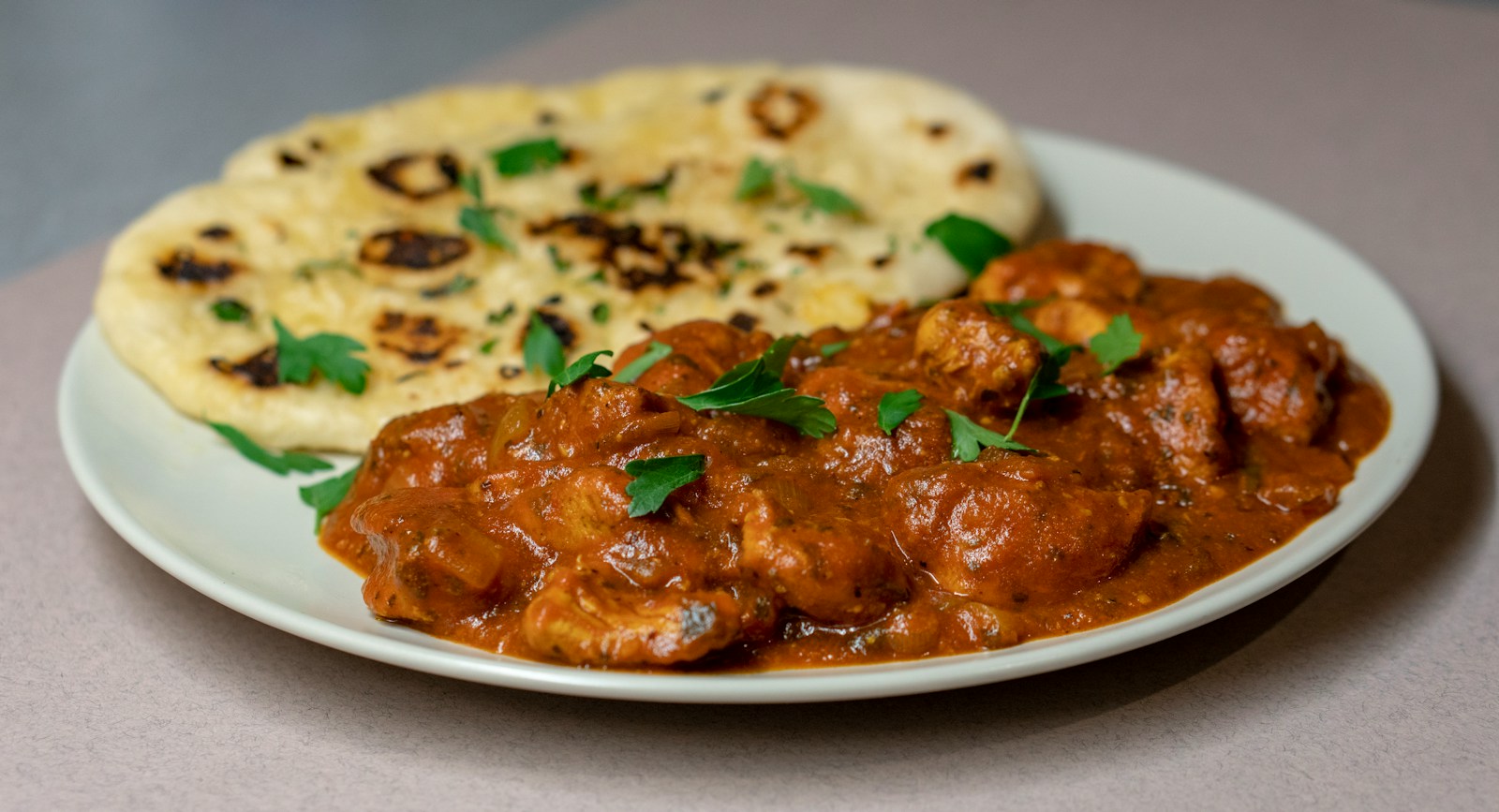
A thali is more than a plate of many items; it is a practical and elegant way of presenting balance. Depending on the region, it may include rice or roti, dal, a dry vegetable, a curry, chutney, pickle, papad, curd, and a small sweet, each placed with intention. The beauty of a thali lies in contrast—soft and crisp, mild and spicy, sour and sweet, warming and cooling. It also reflects the old wisdom of building a satisfying meal from different textures, flavors, and cooking methods. Whether served on stainless steel, brass, or a fresh banana leaf, a thali turns eating into a complete experience.
Hospitality at the Heart of the Meal
Indian hospitality is deeply tied to food, and the kitchen often becomes the first place where welcome is expressed. Visitors are offered water, tea, coffee, buttermilk, or something warm to eat, sometimes within minutes of entering the house. In Kerala, a banana leaf sadya served during festivals shows this spirit beautifully, with multiple preparations arranged in order and served with cheerful insistence. In many parts of India, the host may eat last or keep watching the table, making sure nobody’s plate is empty. Feeding others is not seen as formality alone; it is a duty, a pleasure, and a matter of family pride.
Food in the Rhythm of Daily Life
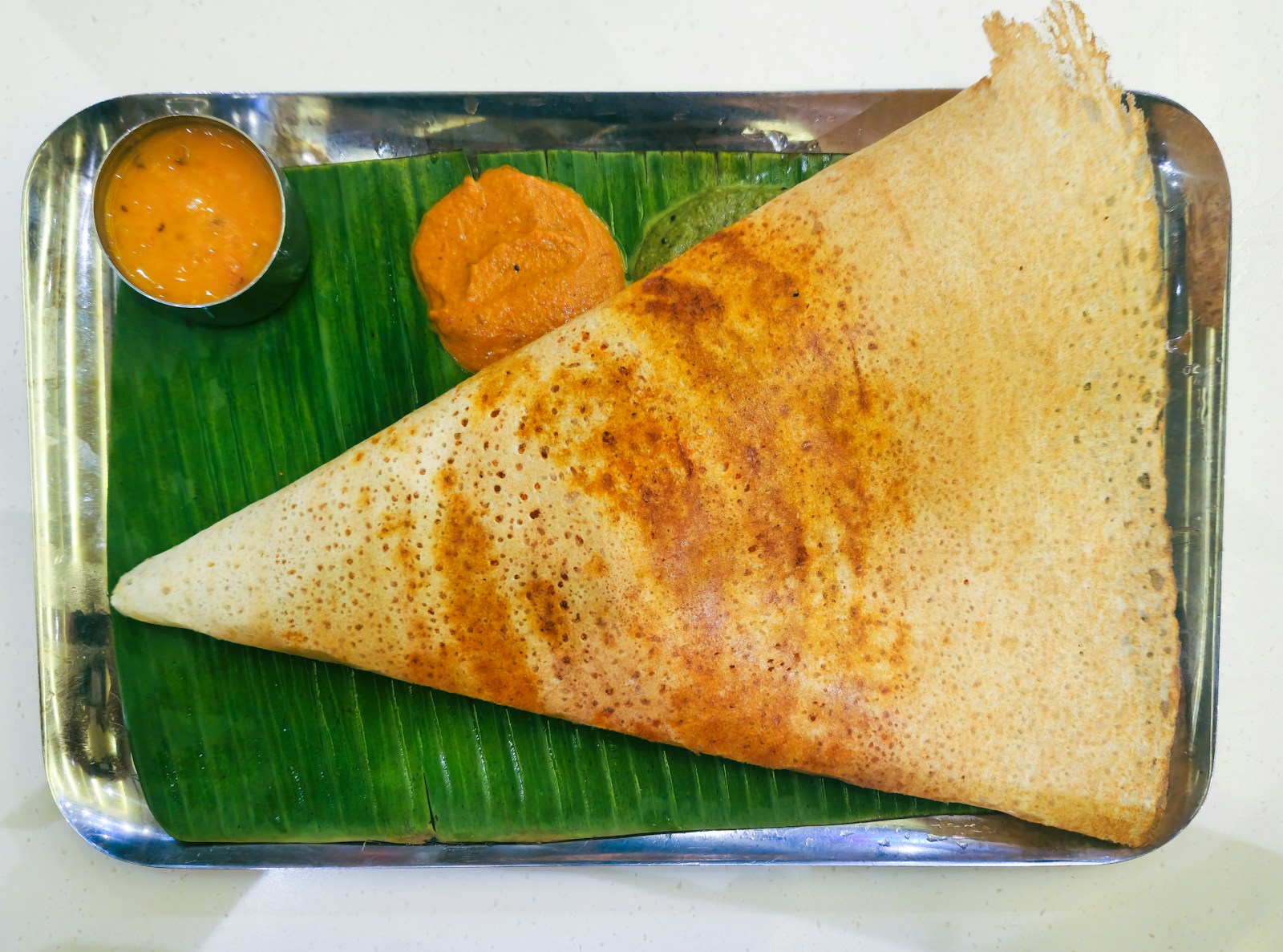
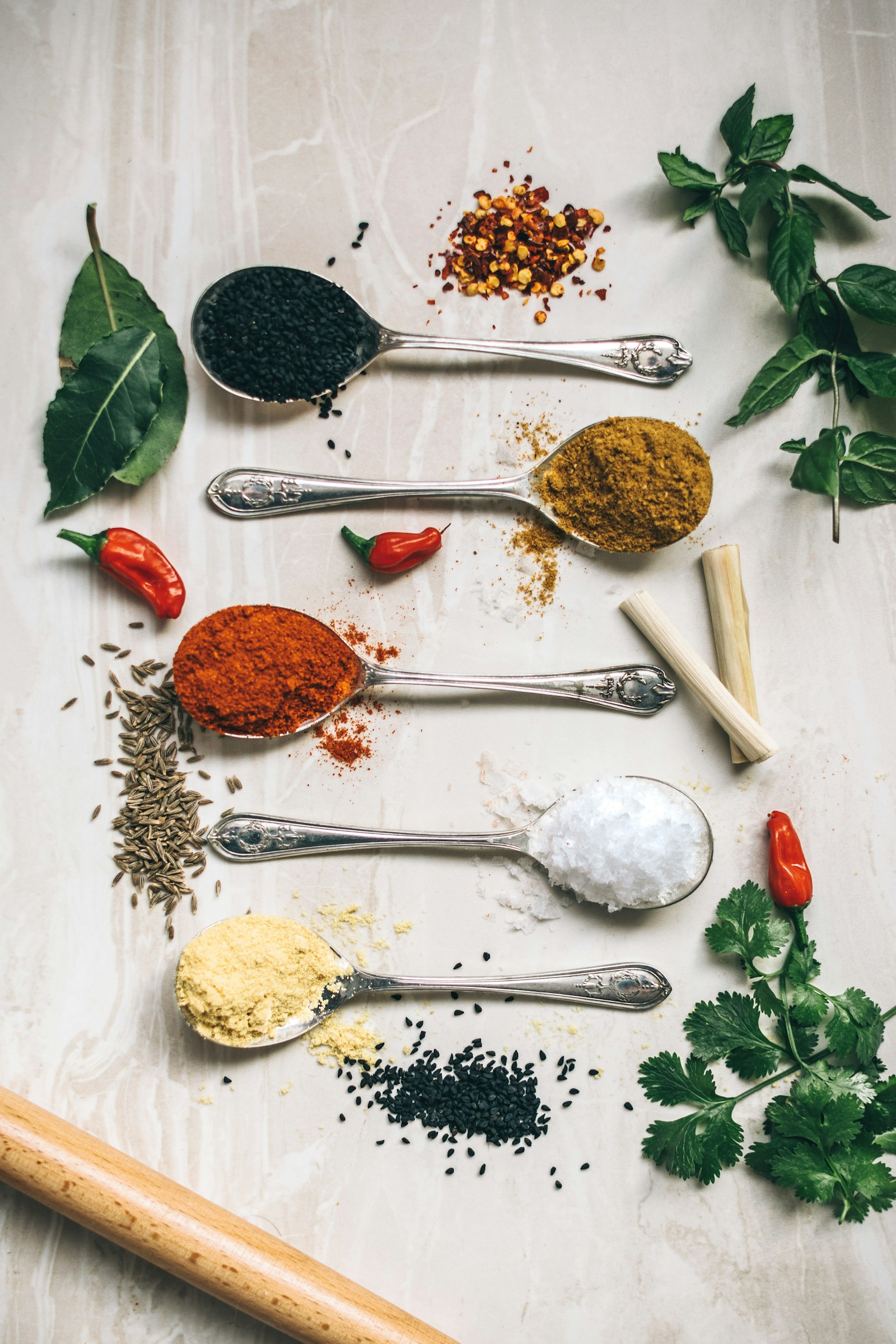
Indian food traditions live not only in grand feasts but also in everyday routine. Breakfast may be idli and chutney in the south, poha in the west, paratha in the north, or puttu with kadala curry in Kerala, showing how local grain, climate, and habit shape the morning meal. Lunch is often the most grounding meal of the day, with staples like rice or flatbreads supported by lentils, vegetables, and seasonal accompaniments. Evening tiffin, tea-time snacks, fasting foods, and festival sweets add their own rhythm to the calendar and the clock. Through these daily patterns, food becomes memory, discipline, comfort, and an ongoing connection to home.
Keep Reading
 Article
Indian Culinary Heritage
Ancient flavors, trade routes, and wisdom at the table
ArticleFestival Food of India
Celebratory dishes that bring India’s festivals to life
ArticleIndian Street Food
Bold flavors from India’s bustling roadside kitchens