
The Health of Indian Food
Ancient wisdom, everyday spices, balanced modern nourishment
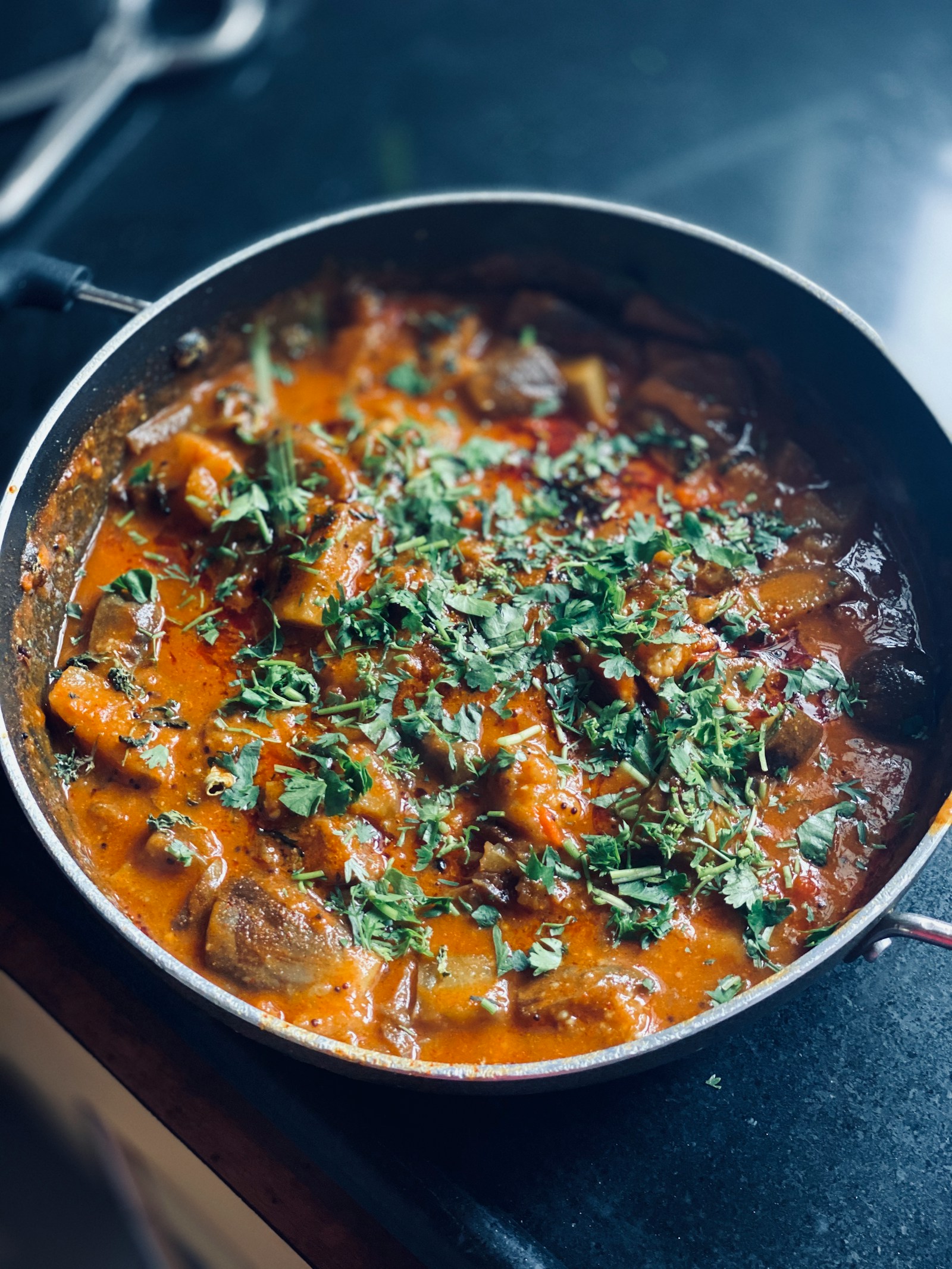
Indian food is often celebrated for its color and aroma, but its deeper strength lies in how thoughtfully it nourishes the body. From Ayurvedic ideas of balance to spice boxes that work like a home apothecary, our cuisines have long connected taste, digestion, and daily well-being.
Ayurveda at the Dining Table
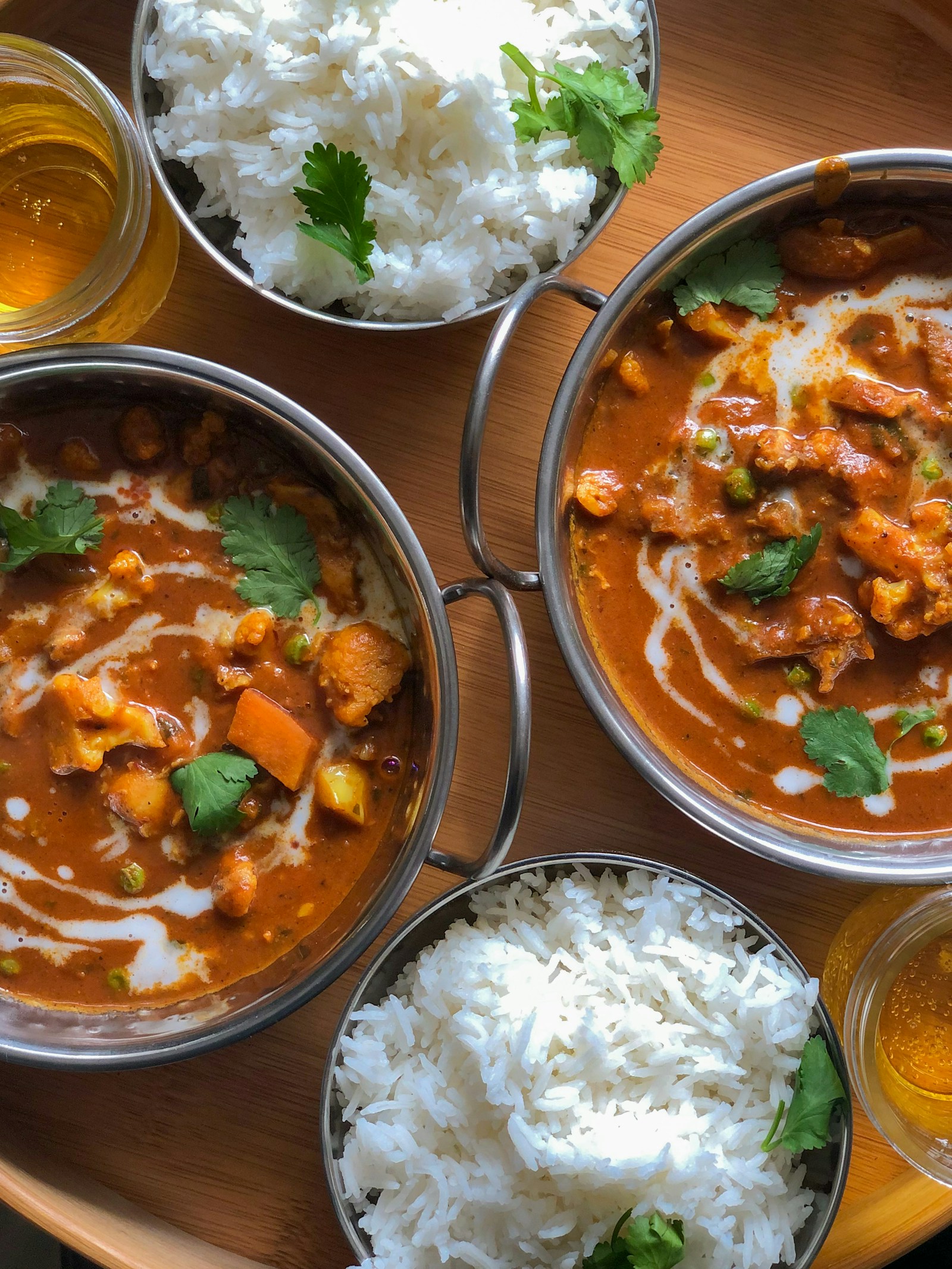
In the Indian tradition, food is not separated from health; it is one of the first tools for maintaining balance. Ayurveda looks at the individual, the season, the time of day, and even the state of digestion before deciding what is most suitable to eat. That is why a light moong dal khichdi may be preferred during recovery, while warming dishes with ghee, ginger, and black pepper are valued during the monsoon or colder months. This way of eating is not about strict rules for everyone, but about learning how foods affect energy, comfort, and clarity. At its best, Indian cooking turns the daily meal into a gentle act of preventive care.

The Six Tastes and the Idea of Balance
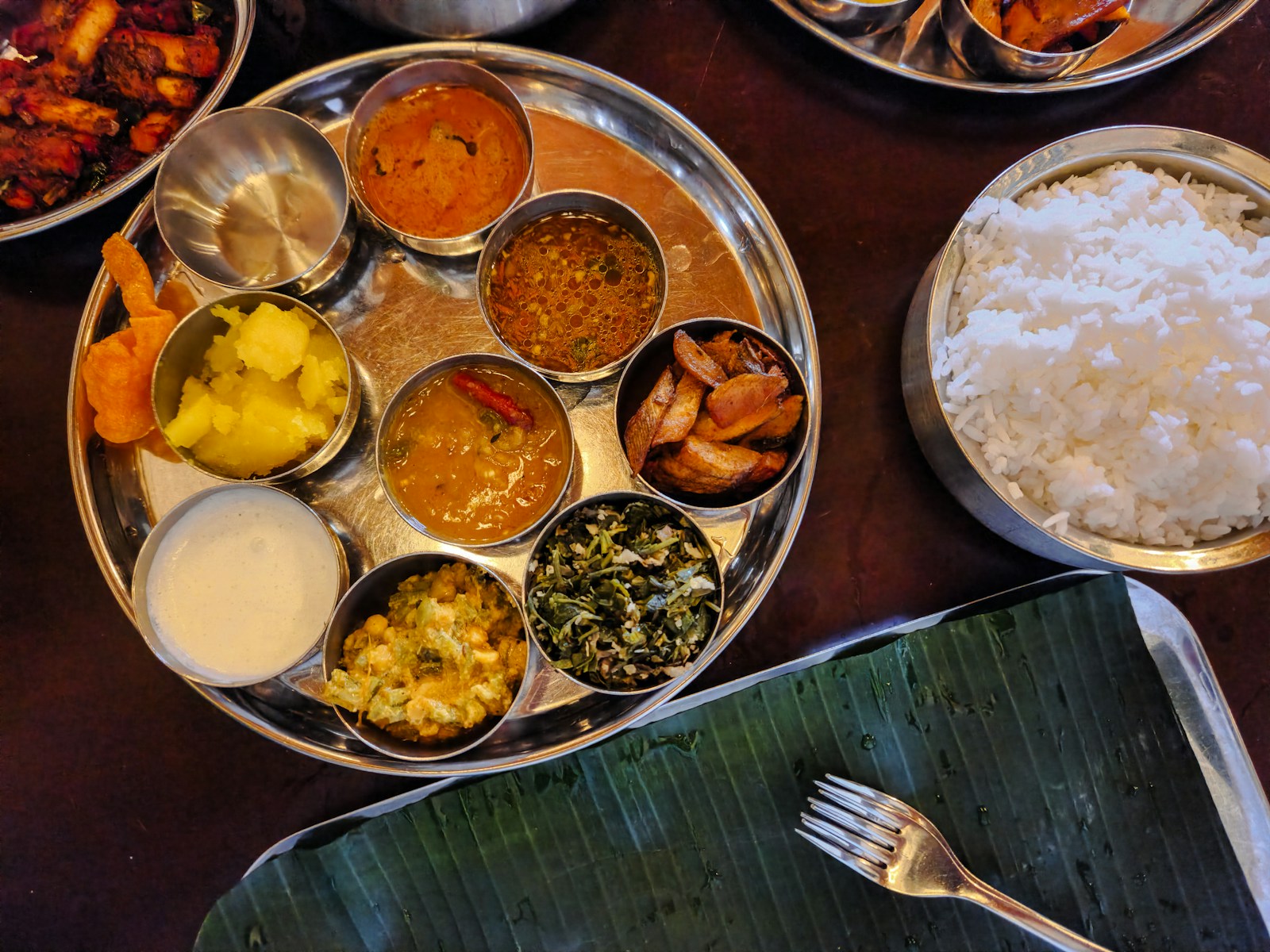
A well-made Indian meal often feels satisfying because it naturally brings together the six tastes described in Ayurveda: sweet, sour, salty, bitter, pungent, and astringent. Think of a simple thali with rice, dal, a vegetable poriyal, pickle, curd, and a small salad; each element contributes something different to appetite, digestion, and satiety. Sweet can come from grains or root vegetables, sour from lemon or fermented batter, bitter from fenugreek or bitter gourd, pungent from chilies and ginger, and astringent from lentils and greens. When these tastes are present in sensible proportion, the meal feels complete rather than heavy or monotonous. This balance also helps reduce the urge to overeat because the palate feels truly fed.

Why Indian Food Supports Gut Health
Traditional Indian kitchens are full of foods that quietly support the digestive system. Fermented staples such as idli, dosa batter, homemade curd, buttermilk, and pickles introduce beneficial microbes and add complexity of flavor, while dals, beans, vegetables, and millets provide fiber that nourishes the gut. Tempering spices in hot ghee or oil is not only for fragrance; it can make dishes easier to digest by waking up the appetite and reducing the flat heaviness that legumes sometimes cause. Ingredients like ajwain, hing, cumin, and ginger have long been used after rich meals or in lentil dishes for exactly this reason. The result is a cuisine that understands digestion as the foundation of strength, not an afterthought.
Spices as Everyday Medicine
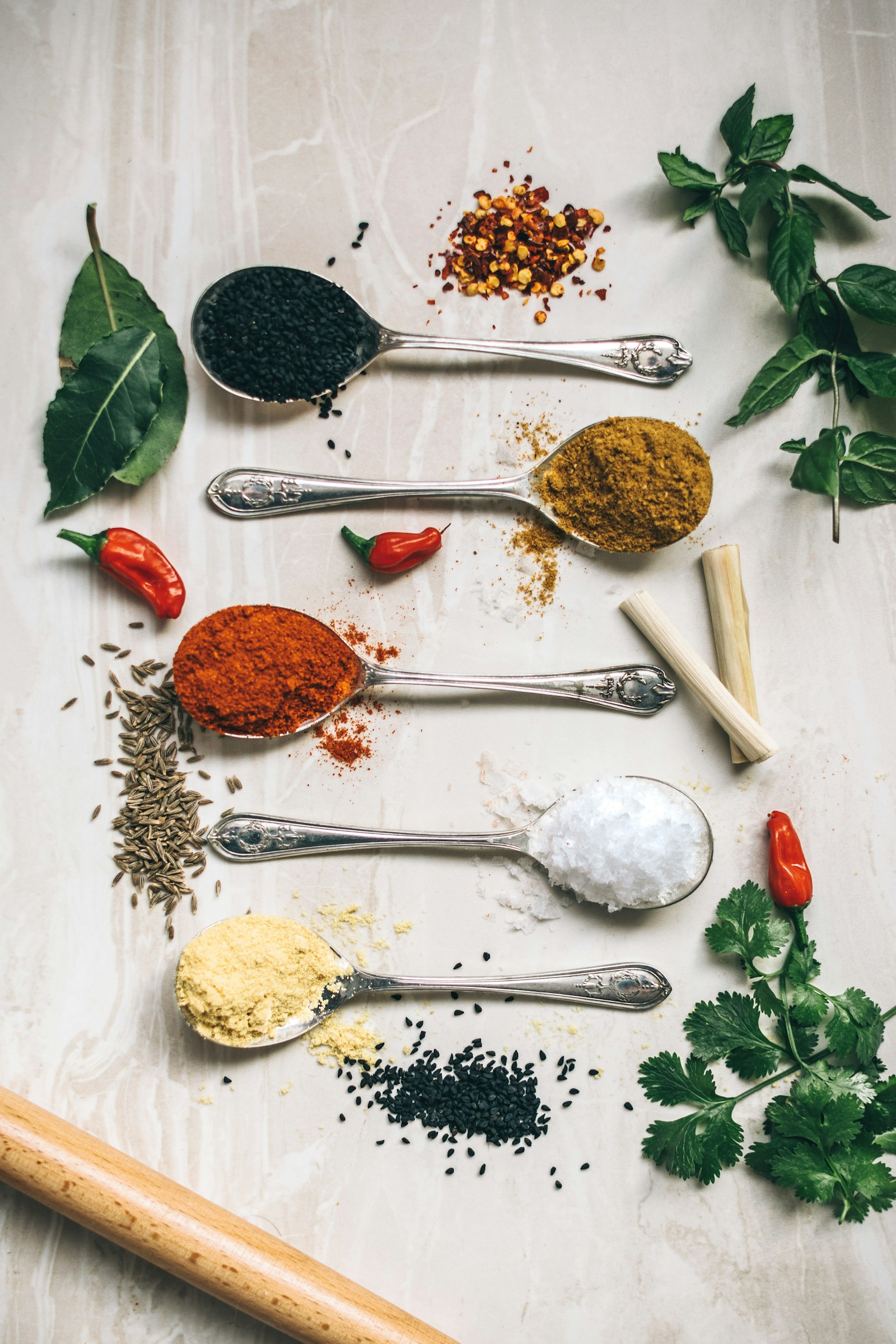
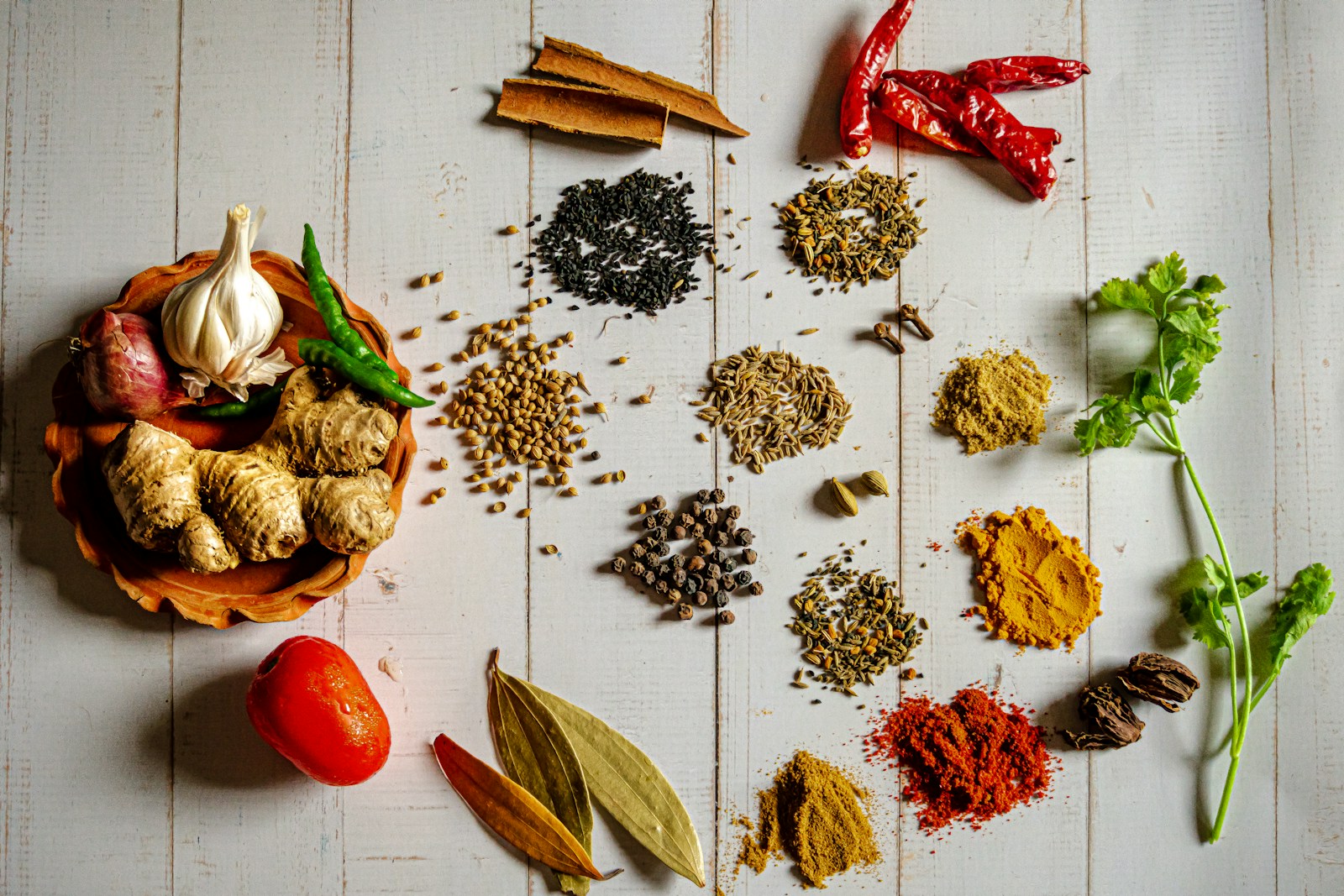
Indian spices are powerful because they are used regularly, in small amounts, and in combinations refined over generations. Turmeric is treasured for its anti-inflammatory qualities, ginger for easing nausea and supporting digestion, cinnamon for warmth and metabolic support, and black pepper for helping certain compounds become more available to the body. Garlic, cloves, cardamom, coriander, fennel, and cumin each bring their own benefits while also building flavor without needing excessive sugar or heavy sauces. In Kerala, even a humble rasam or jeera water can feel restorative when the stomach is unsettled or the weather is damp. The wisdom of Indian food is not that spices are miracle cures, but that everyday cooking can steadily support wellness with intelligence, restraint, and pleasure.
Keep Reading
 Article
Indian Spices
Fragrant foundations of every Indian kitchen
 Article
Coconut in Indian Food
The many lives of coconut in Indian kitchens
 Article
Techniques of Indian Cooking
Traditional methods that build aroma, depth and balance